Resource centre
Working principles, application notes, buying guides and safety advice from a laser manufacturer.
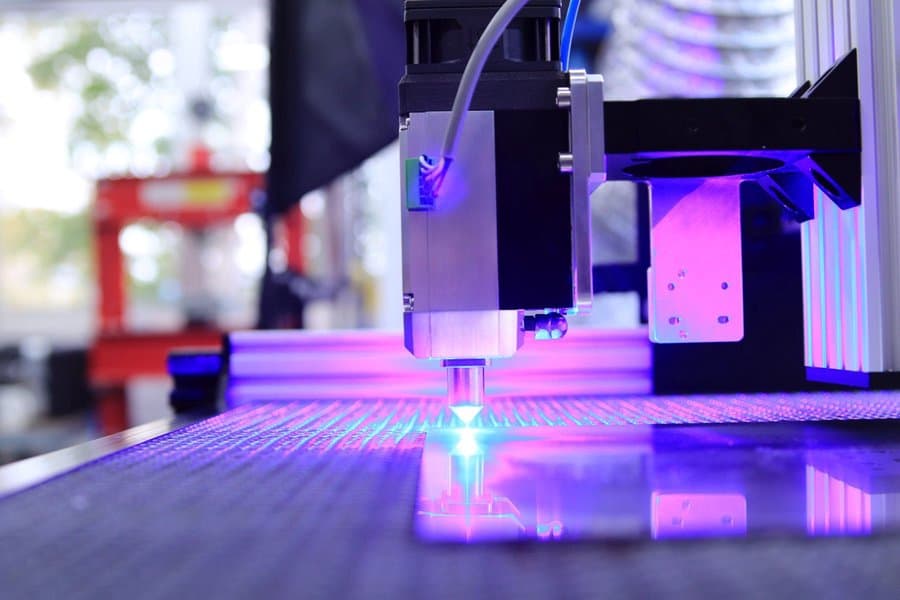
Working Principle of Pulse Laser Cleaning
How short laser pulses lift rust, paint and oil off a surface while the metal underneath stays cool, and which settings control the result.
Read more →
Advantages of Laser Cleaning
Control, a dry non-contact process and repeatable results: what laser cleaning changes in your workshop, and where it is not the right tool.
Read more →
Pulse Laser Cleaning Compared with Sandblasting and Chemical Cleaning
Three ways to clean a part, compared by mechanism, side effects and fit. Includes a table and a checklist for choosing the right method.
Read more →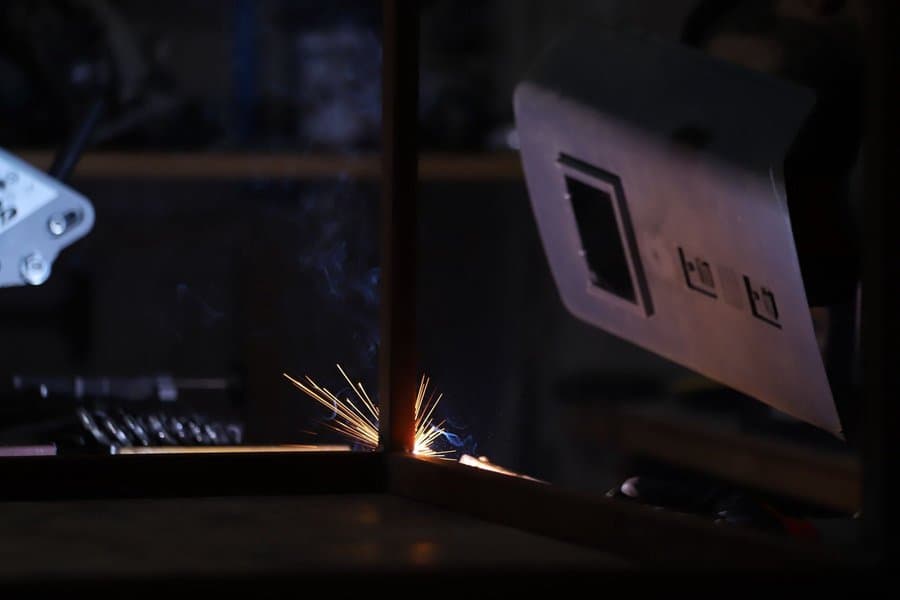
Welding and Painting After Laser Cleaning
What a laser-cleaned surface gives welders and painters, how long the window lasts, and how to check adhesion before you commit.
Read more →
Removing Graffiti from Wooden Doors with a Pulse Laser
Why solvents, sanding and pressure washing struggle on timber, how a low-power pulse laser lifts spray paint, and how to test safely first.
Read more →
What Is Pulse Laser Cleaning? A Buyer’s Introduction
A plain introduction to pulse laser cleaning for first-time buyers: what it does, what it replaces, what to check and how to start.
Read more →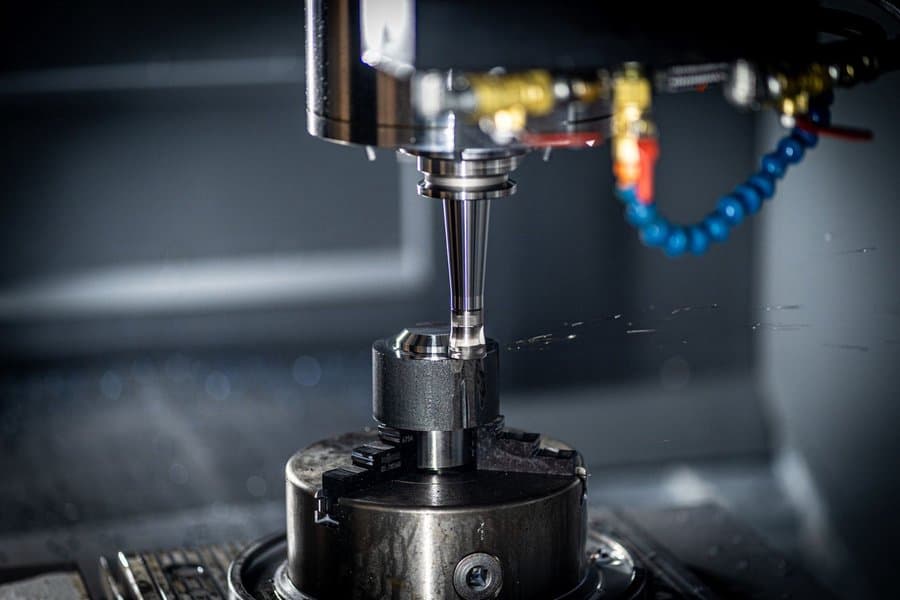
MOPA vs Q-Switched Fiber Lasers for Cleaning
What separates MOPA from Q-switched pulsed fiber lasers, why independent pulse width control matters for cleaning, and when each makes sense.
Read more →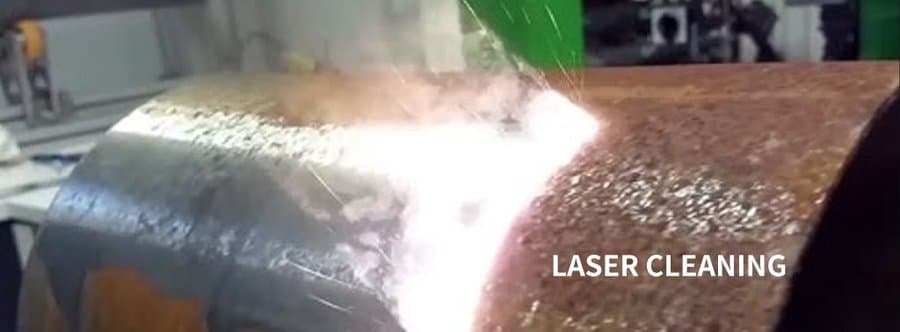
Pulse Laser Rust Removal: What to Expect
What pulse laser rust removal does well, how rust thickness changes the work, what comes after, and the limits to plan around.
Read more →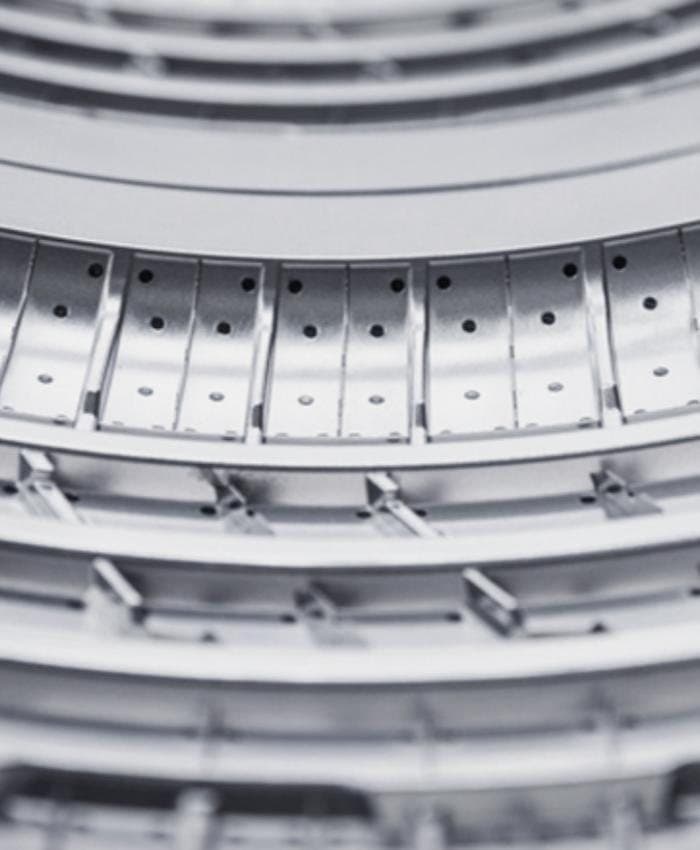
Cleaning Tyre and Rubber Moulds in the Press with a Pulse Laser
How to clean vulcanisation residue and release agent from tyre and rubber moulds without pulling them, and what to test before you commit.
Read more →
Selective Paint Removal: Taking the Topcoat and Keeping the Primer
How pulse width, energy and overlap let you strip a topcoat while leaving the primer or anodised layer, and how to test it on your own part.
Read more →Weld Preparation with a Pulse Laser: Oxide, Oil and Mill Scale
What to clean from a joint before welding, how a pulse laser does it without grit or solvent, and how to manage the time before welding.
Read more →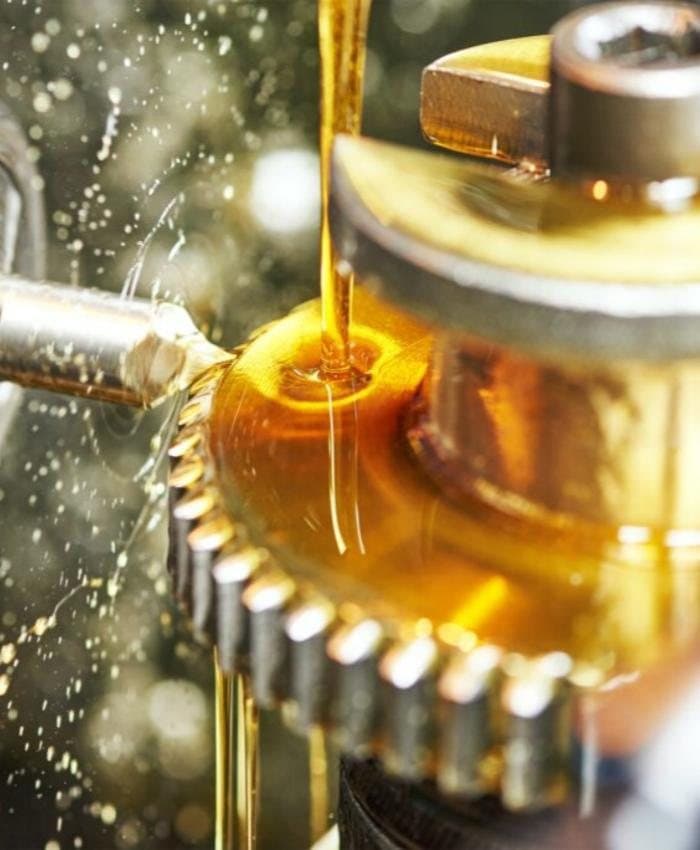
Degreasing Without Solvents: Oil and Machining Residue
How a pulse laser removes oil, grease and machining residue before welding or bonding, with no solvent tank, no rinse and no flash rust.
Read more →
Cleaning Stone, Brick and Heritage Surfaces with a Pulse Laser
Soiling, biological growth and graffiti on masonry: how a pulse laser lifts them without the surface loss of blasting or chemical poultices.
Read more →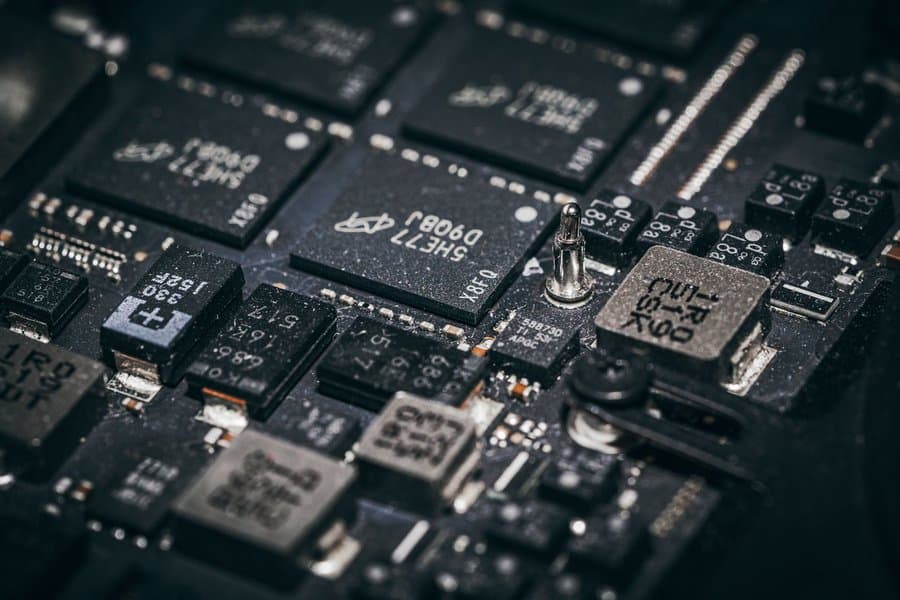
Removing Oxide Films from Contacts, Connector Pins and Lead Frames
A thin oxide film weakens solder and weld joints. Here is how short pulses clear it before joining, and what to test to protect plating and tolerance.
Read more →
Food, Pharma and Rubber Equipment: Cleaning Without Chemicals
Where cleaning comes with swab tests, rinse logs and validation records, a dry laser step can remove the contaminant and a good part of the paperwork.
Read more →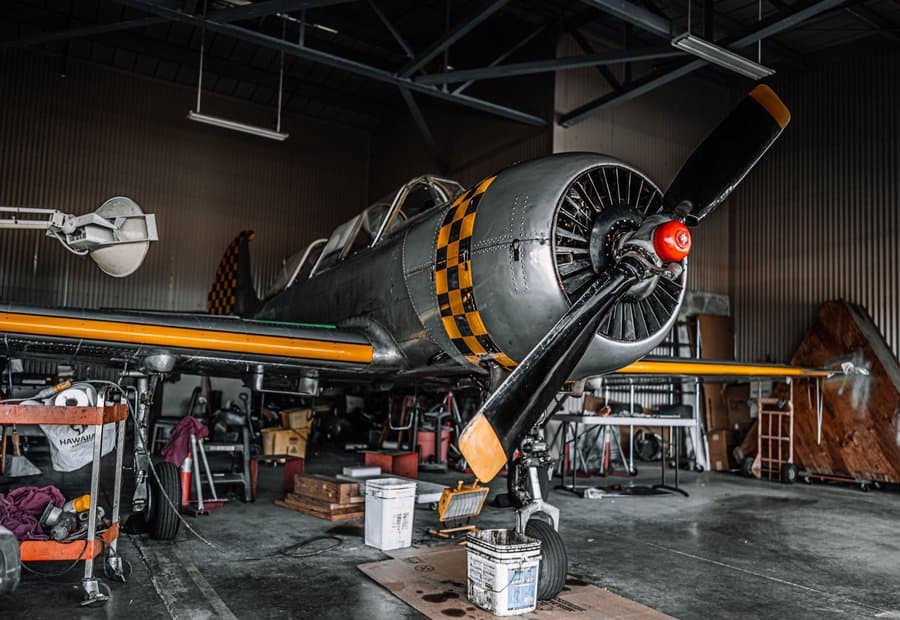
Restoring Aerospace and High-Value Parts with Pulsed Cleaning
High-precision pulsed cleaning can turn parts that would otherwise be scrapped into refurbishable components. What to test, and what the approvals still require.
Read more →Pulsed vs Continuous Wave Laser Cleaning: Which One to Buy
Pulsed and continuous wave lasers clean in different ways. Here is how to decide by substrate, layer thickness, heat tolerance and what happens to the surface afterwards.
Read more →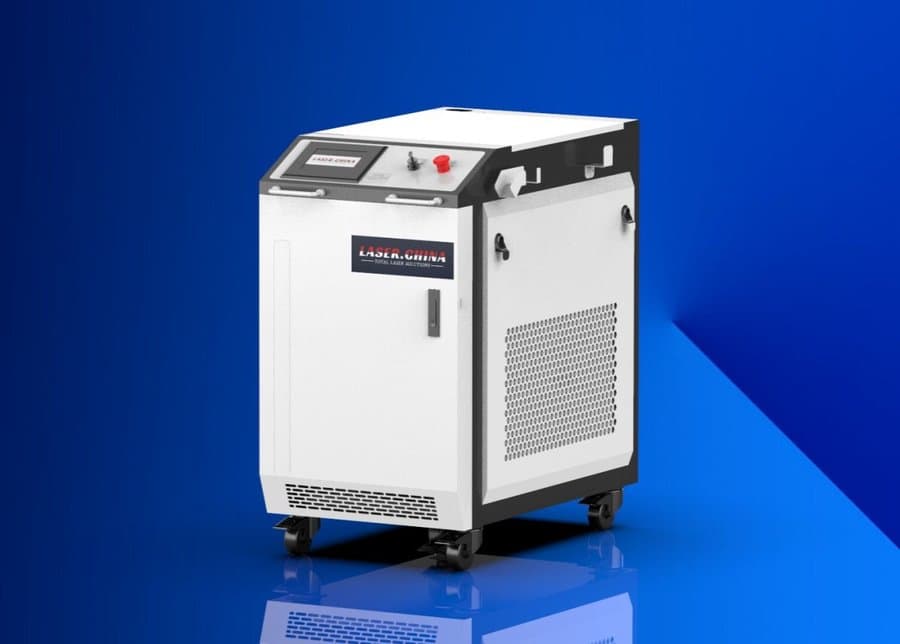
How Much Laser Power Do You Need? 100 W to 2,000 W
Power sets how fast you clean, not whether you can. A practical way to size a pulse laser cleaner from 100 W to 2,000 W by workload, layer thickness and shift pattern.
Read more →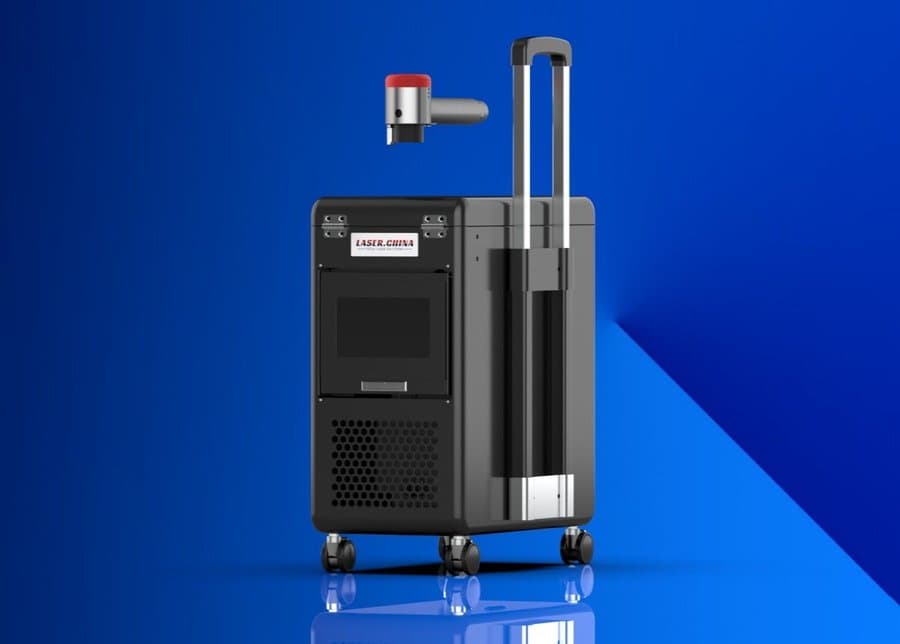
Air-Cooled or Water-Cooled Pulse Laser Cleaner?
Cooling decides where the machine can work, how long it can run and what you maintain. Compare air and water cooling by duty cycle, ambient temperature and mobility.
Read more →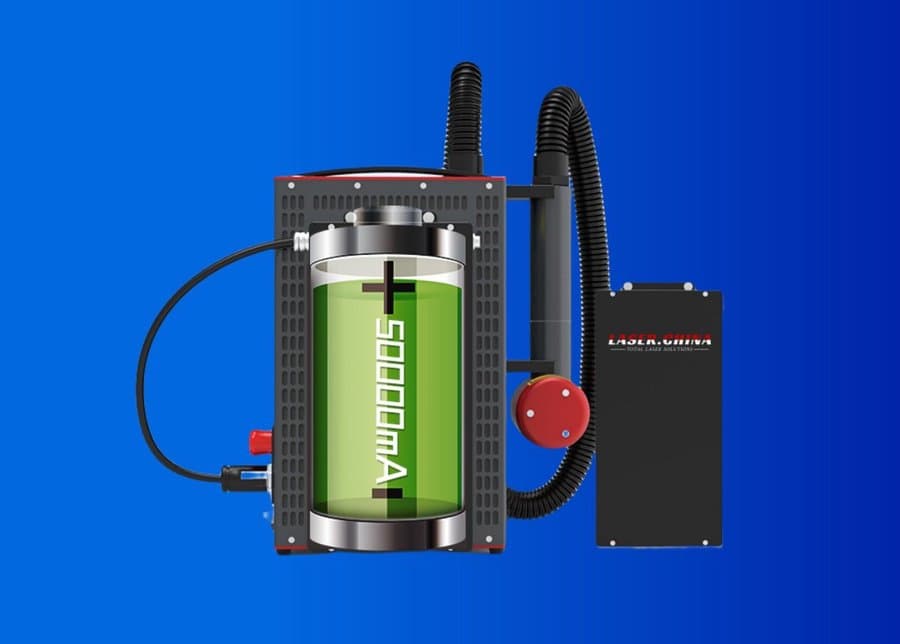
Backpack, Carry Case, Suitcase or Trolley: Choosing the Format
Format decides how the machine reaches the work. Compare backpack, carry case, suitcase and trolley units by access, travel pattern and operator effort.
Read more →Laser Cleaning Safety Checklist: Eyewear, Fume Extraction and Training
A responsible safety checklist for pulse laser cleaning: Class 4 hazards, 1064 nm eyewear, fume extraction, interlocks, signage, operator training and testing on an offcut.
Read more →Daily and Periodic Maintenance for a Pulse Laser Cleaner
A practical maintenance routine for a pulse laser cleaner: protective lens, air knife, cooling, filters, cables and software updates, split into daily, weekly and periodic tasks.
Read more →
Questions to Ask a Laser Cleaning Machine Supplier Before You Buy
A buyer checklist for vetting a laser cleaning machine supplier: source brand, warranty, parts, service coverage, sample test, delivery terms and contract commitments.
Read more →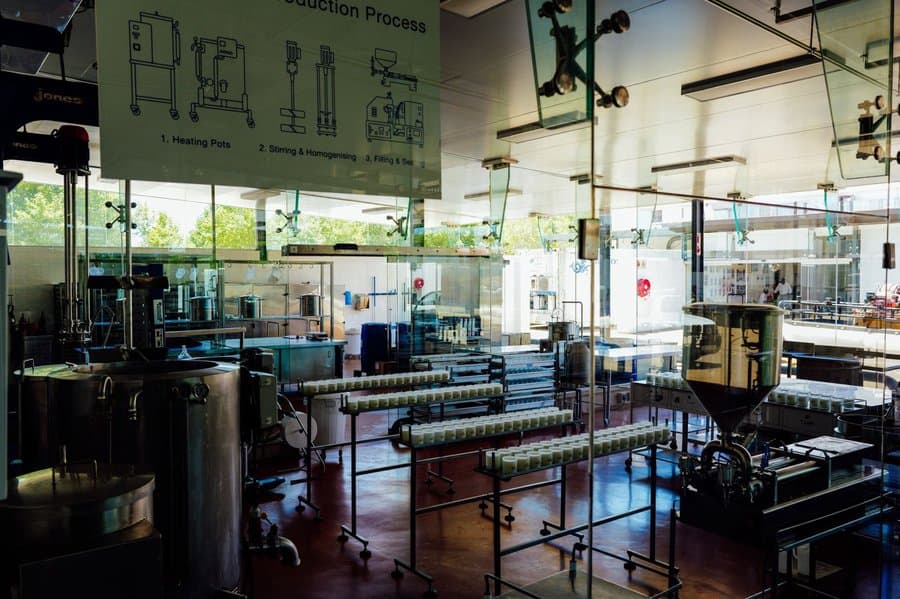
Laser Cleaning Total Cost of Ownership: A Worksheet
A symbolic worksheet for comparing laser cleaning with blasting or chemical cleaning: purchase, running cost per square metre, waste, downtime and payback, with variables you fill in yourself.
Read more →