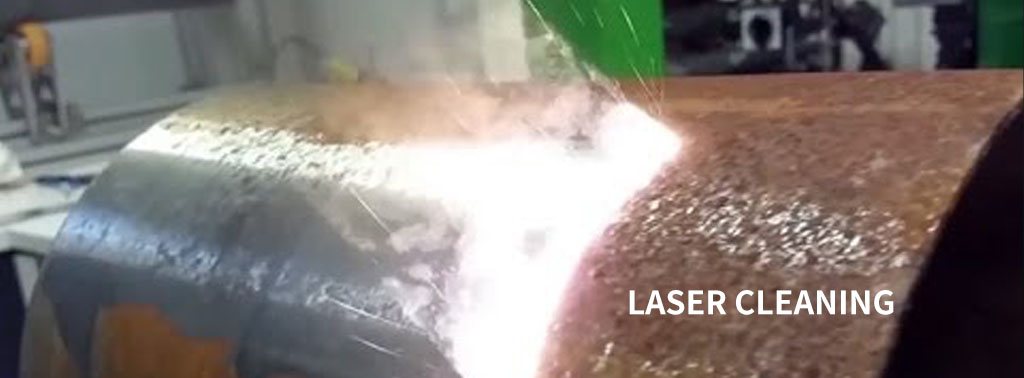
Pulse Laser Cleaning Machines for Precision Surface Cleaning
Remove rust, paint, oil and residue layer by layer, without touching the substrate, without chemicals, and wherever the part happens to be.
- Power range
- 100–2,000 W
- Lightest machine
- from 14 kg
- Source lifespan
- 100,000 h
- Pulse width
- 2–500 ns
Built by a laser manufacturer
We build laser cleaning, welding, cutting and marking systems under one roof. Optics, mechanics, electrical control and software are designed and built in-house, so you deal with one supplier that controls the whole chain.
Why a pulsed laser cleaning machine pays off
Cleaning without substrate damage
High-energy short pulses vaporise or lift contaminants instantly while the integrity of the substrate is preserved.
No chemicals, abrasives or consumables
Your operator switches on and starts work. Nothing to load before the shift, nothing to sweep up after it, no solvent smell in the bay.
Portable, from 14 kg
Backpack or carry case. The mould stays in the press and the structure stays where it is installed. Your operator walks to the work instead of waiting for a crane.
Selective cleaning
Take off the topcoat but leave the primer, remove oxide but keep the plating, clear release agent but keep the mould texture.
100,000-hour source life
The JPT source with Coherent diodes is rated for 100,000 working hours. On two shifts that runs well past a decade.
Adjustable pulse width
Pulse width 2-500 ns and frequency up to 4,000 kHz. Different substrates and contaminants need no new equipment, not even a new cleaning head.
Pulse laser cleaning machines for sale: 100 W to 2,000 W
Five formats, from a backpack unit to a water-cooled high-power cabinet. Every model runs on a MOPA pulsed fiber source.
 100-300W
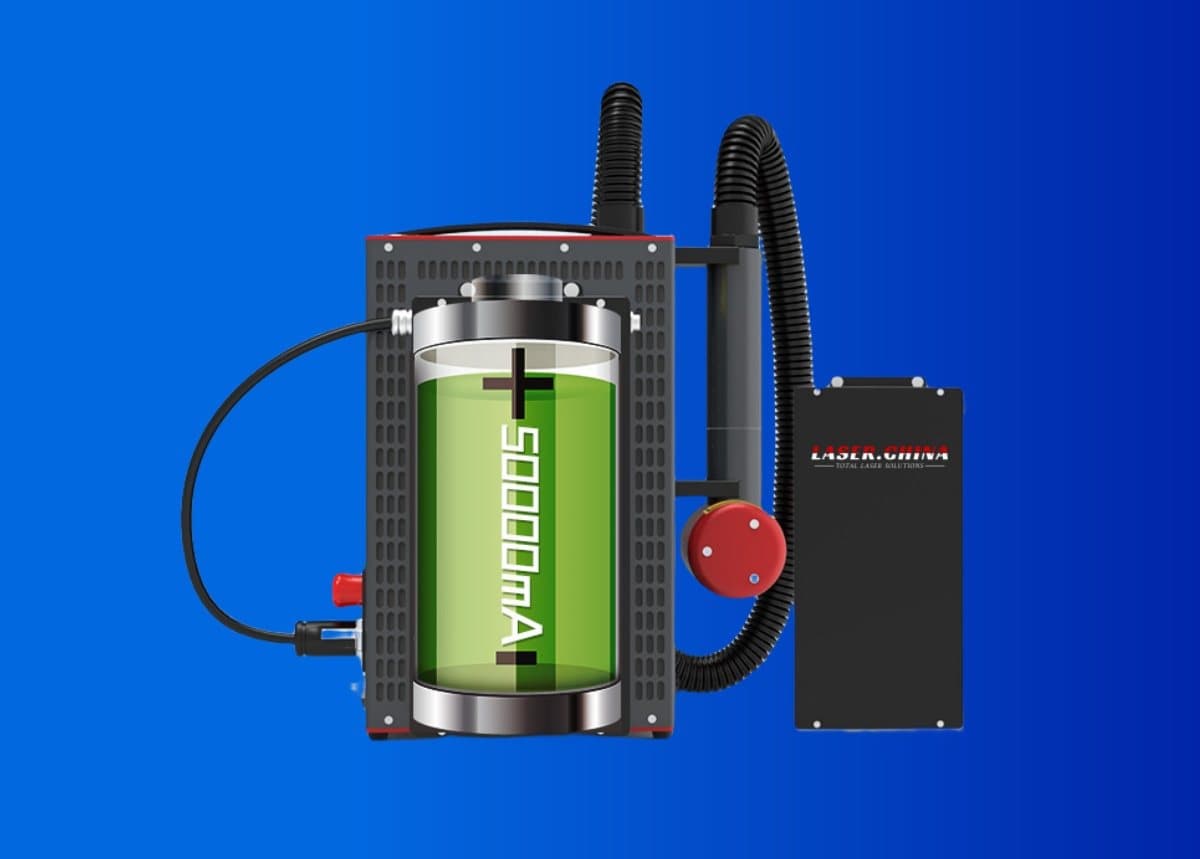
100-300W 6-in-1 Handheld Pulsed Laser Cleaning Machine
Backpack and luggage formats from 14 kg, handheld or desktop working modes
- Backpack and luggage formats, from 14 kg
- 11 built-in plus unlimited custom cleaning patterns
- Handheld and desktop working modes
 100-500W
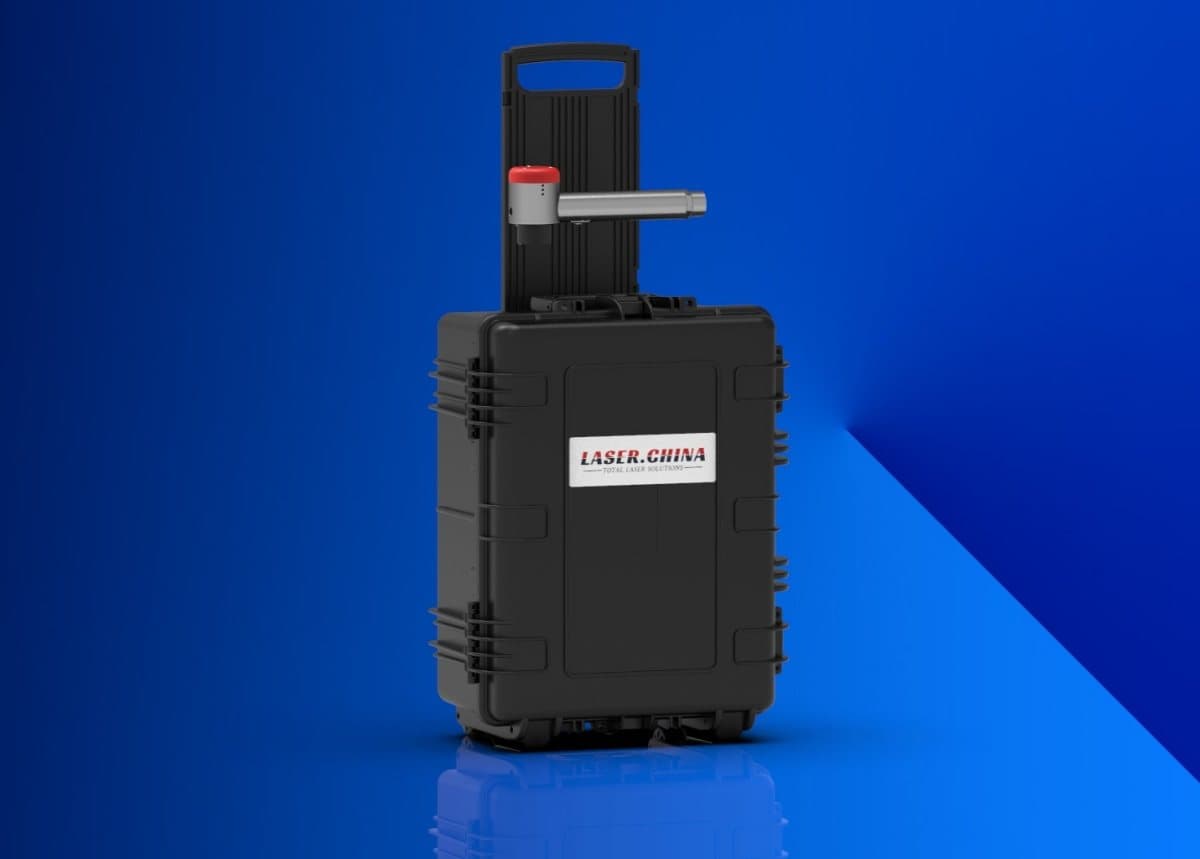
100-500W Portable Handheld Pulsed Laser Cleaning Machine
Carry-case design from 15 kg with 6-in-1 multi-function laser
- Carry-case design, from 15 kg
- 6-in-1 multi-function laser
- Precise, selective positioning on target areas
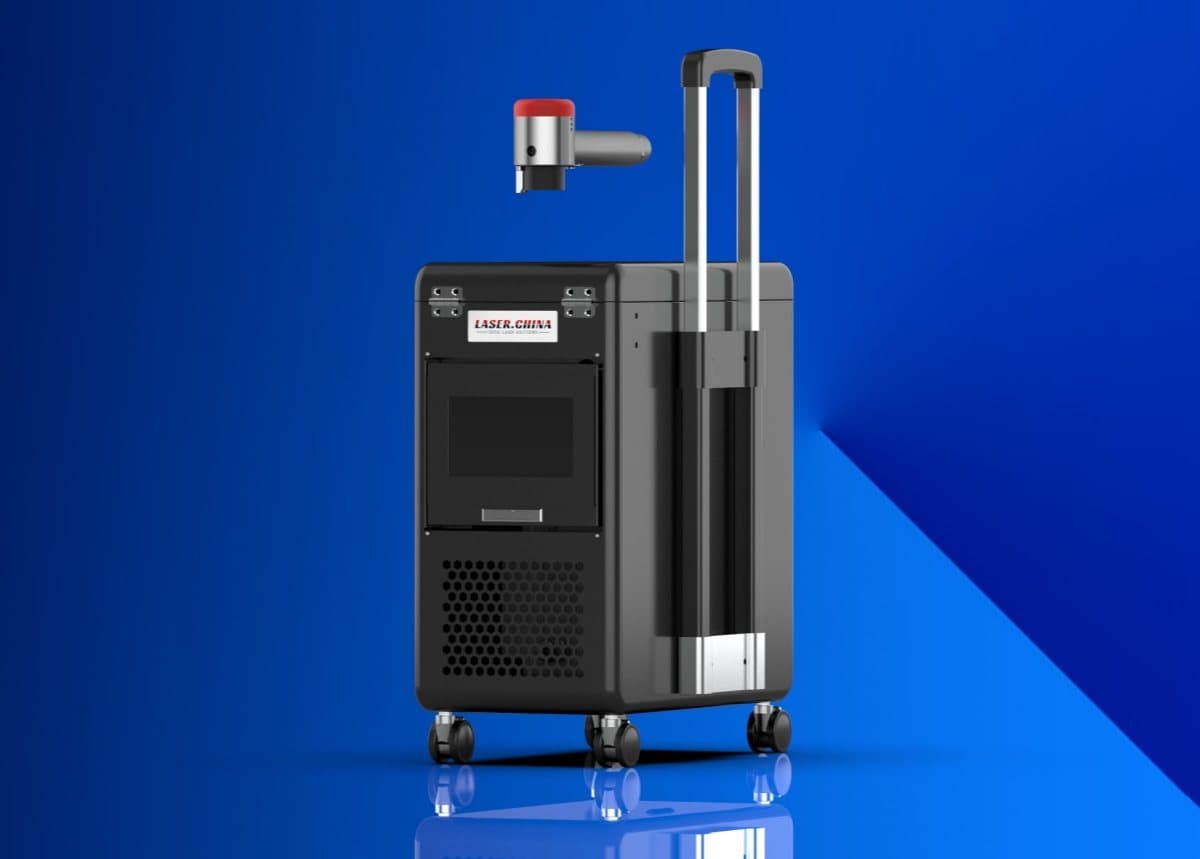 100-500W
100-500W Suitcase-Type Handheld Pulsed Laser Cleaning Machine
Suitcase mobile design from 33 kg, air-cooled and maintenance-free
- Suitcase mobile design, from 33 kg
- Air-cooled and maintenance-free
- 2-500 ns pulse width, 1-4,000 kHz frequency
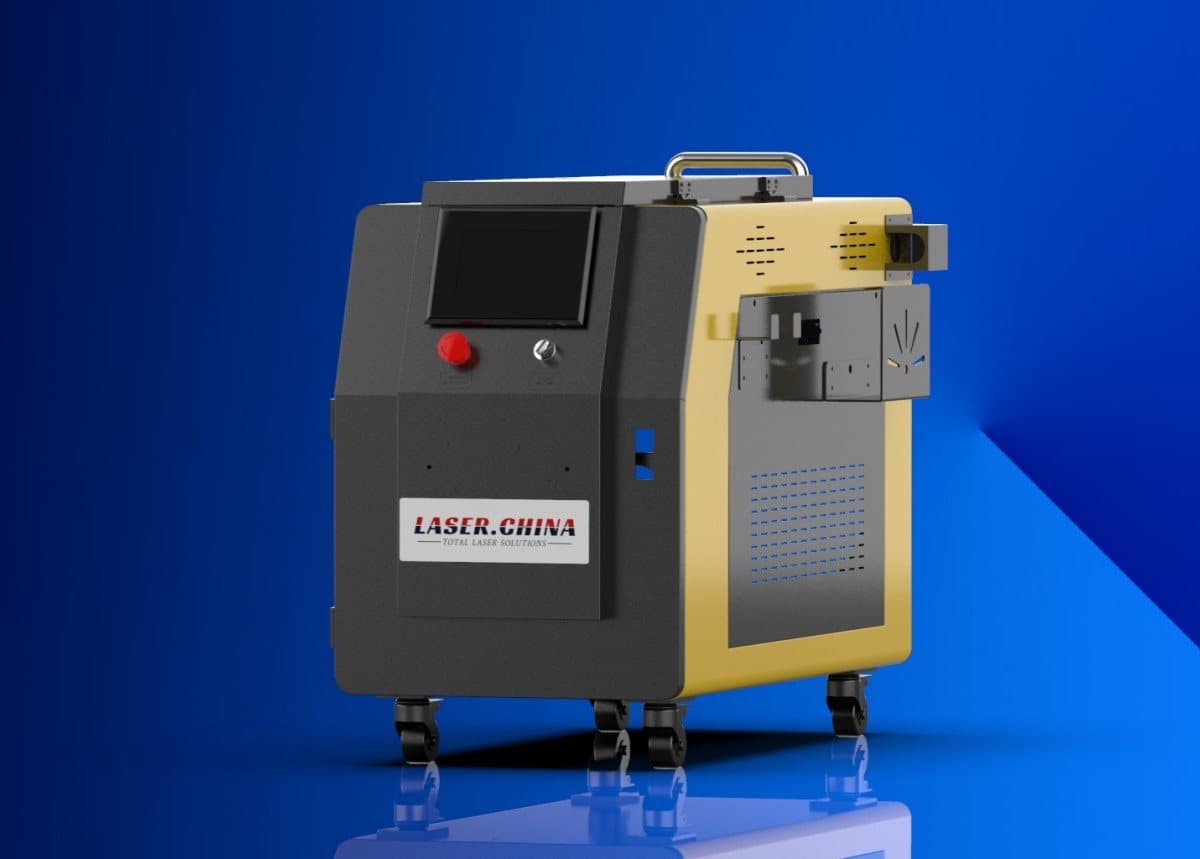 100-500W
100-500W Mobile Handheld Pulsed Laser Cleaning Machine
Trolley mobile design from 36 kg with air purification and lens air-knife protection
- Trolley mobile design, from 36 kg
- Air-cooled and maintenance-free
- Air purification with lens air-knife protection
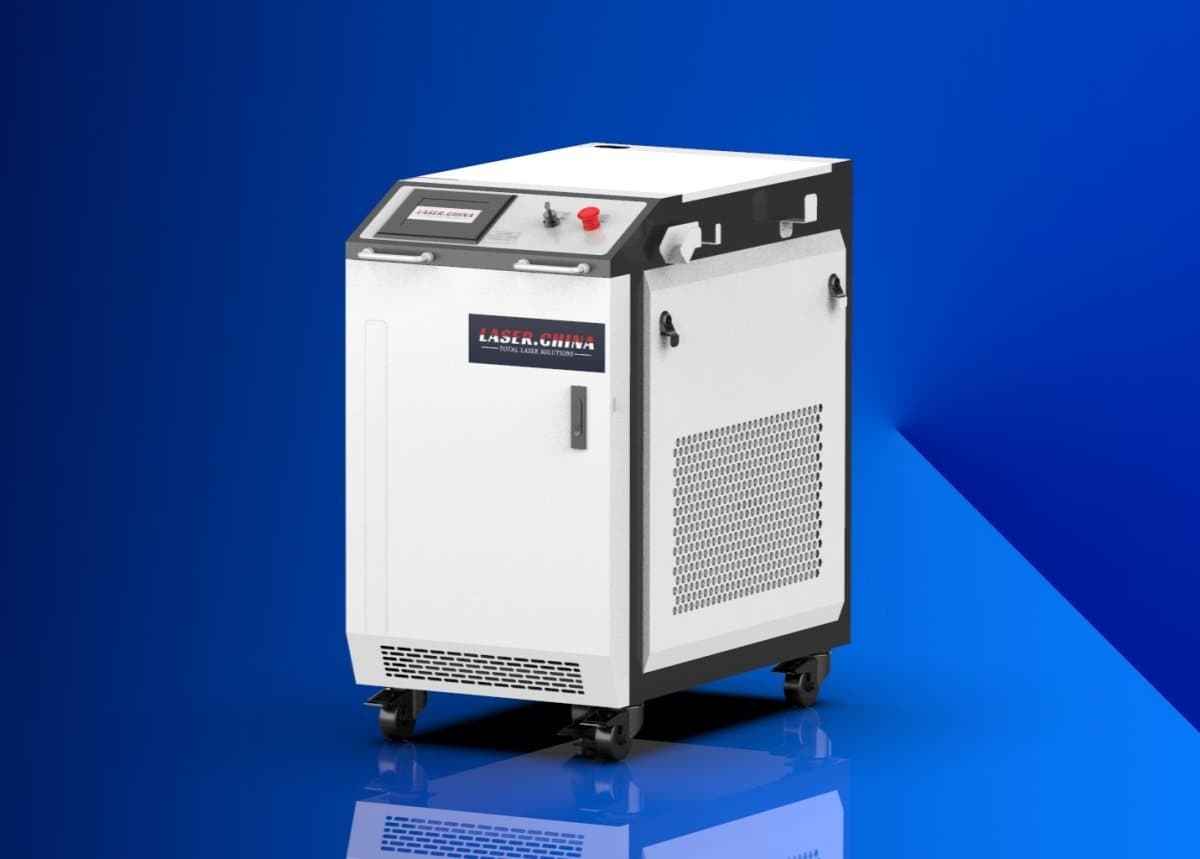 300-2000W
300-2000W High Power Handheld Pulsed Laser Cleaning Machine
300 W to 2,000 W, water-cooled for 24-hour non-stop work from -20°C to 50°C
- 300 W to 2,000 W with full mobility
- Water-cooled for -20°C to 50°C, 24-hour non-stop work
- Voltage safeguard and lens air-knife protection
Pulse laser rust removal, and far beyond it
Rust and oxide layers
Light to medium rust, mill scale and weld oxide come off while the metallurgy underneath stays unchanged.
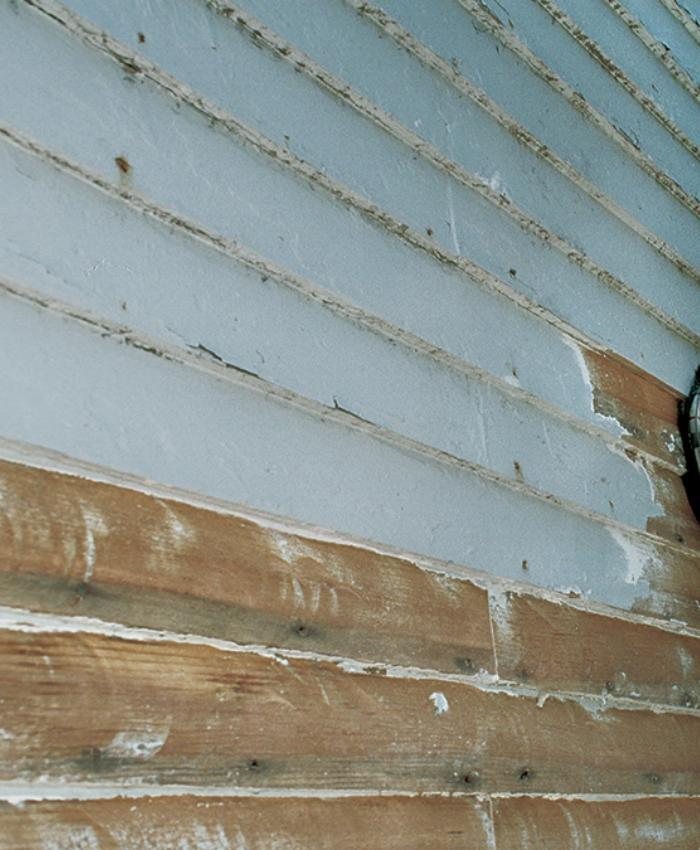
Selective paint and coating removal
Strip only the topcoat and keep the primer, or clear a coating without breaking through the plating.
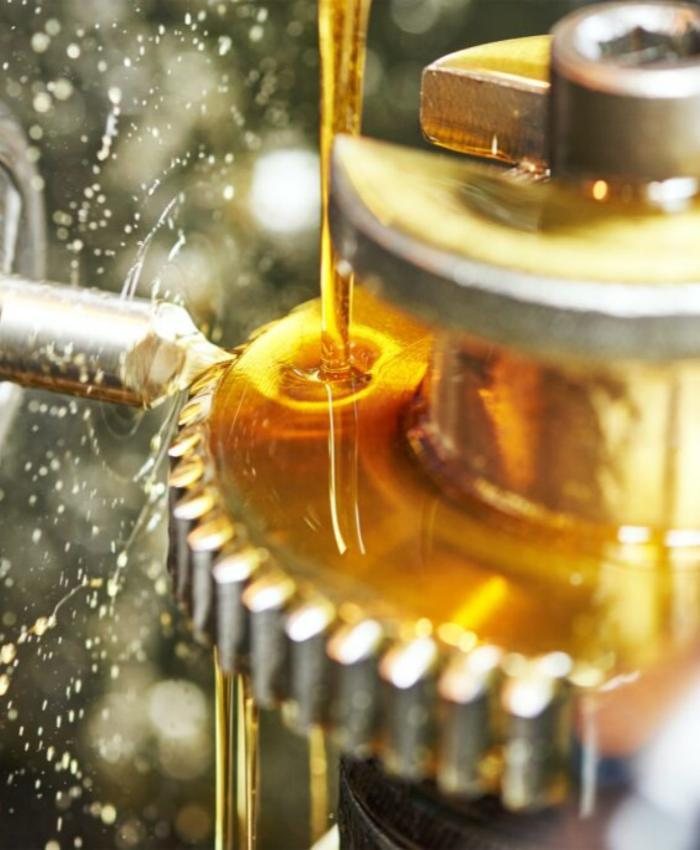
Oil, grease and machining residue
Degrease before welding or bonding without a solvent tank. The surface stays dry, so no flash rust.
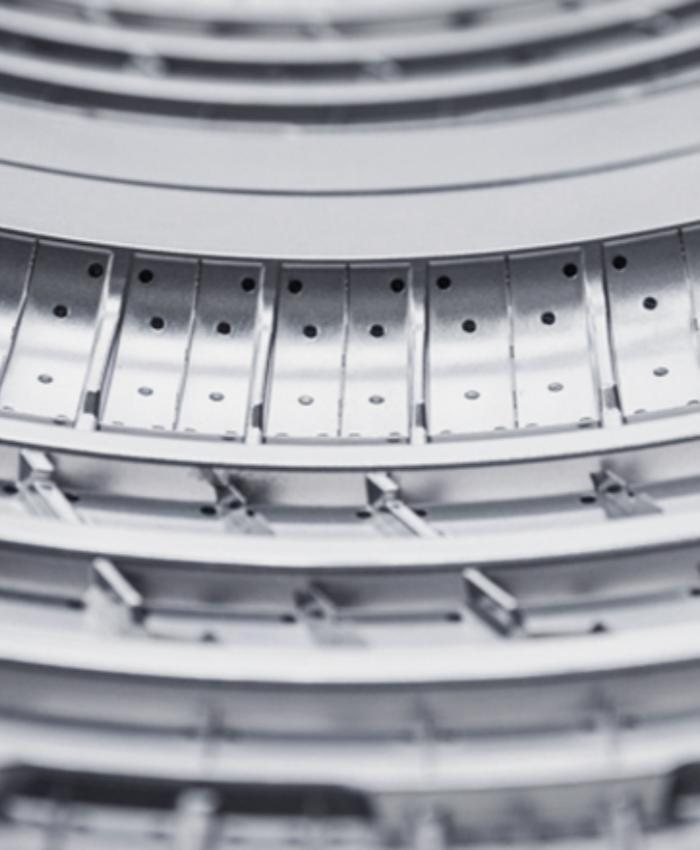
Mould release agent and rubber residue
Clean tyre and rubber moulds on the press. Cavity texture and vent holes stay intact.
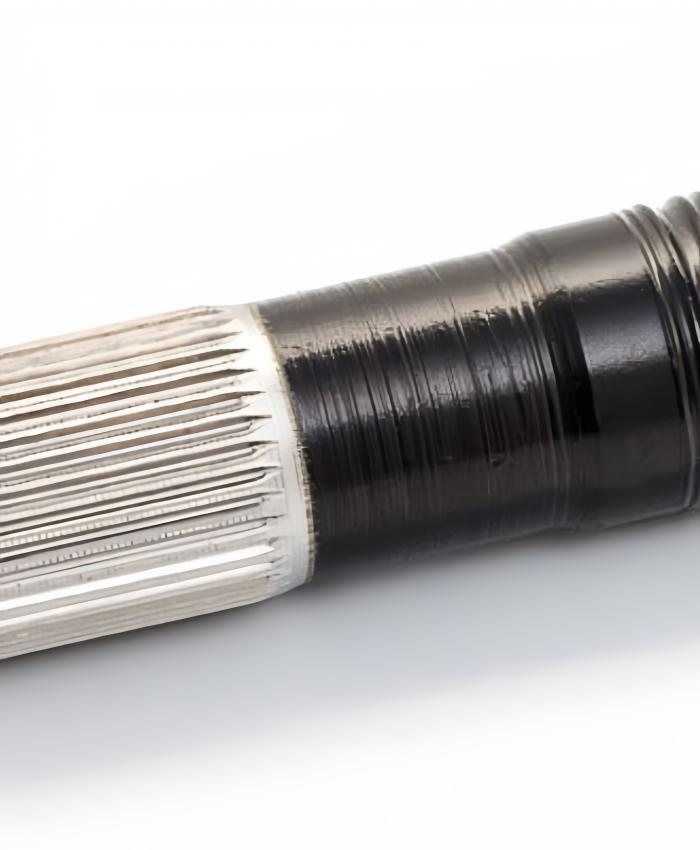
Plastic, glass and composites
Short pulses and low heat input make non-metal surfaces workable.

Stone, brick and heritage surfaces
Soiling, biological growth and graffiti come off masonry without the surface loss that blasting causes.
Industries that run on pulsed laser cleaning
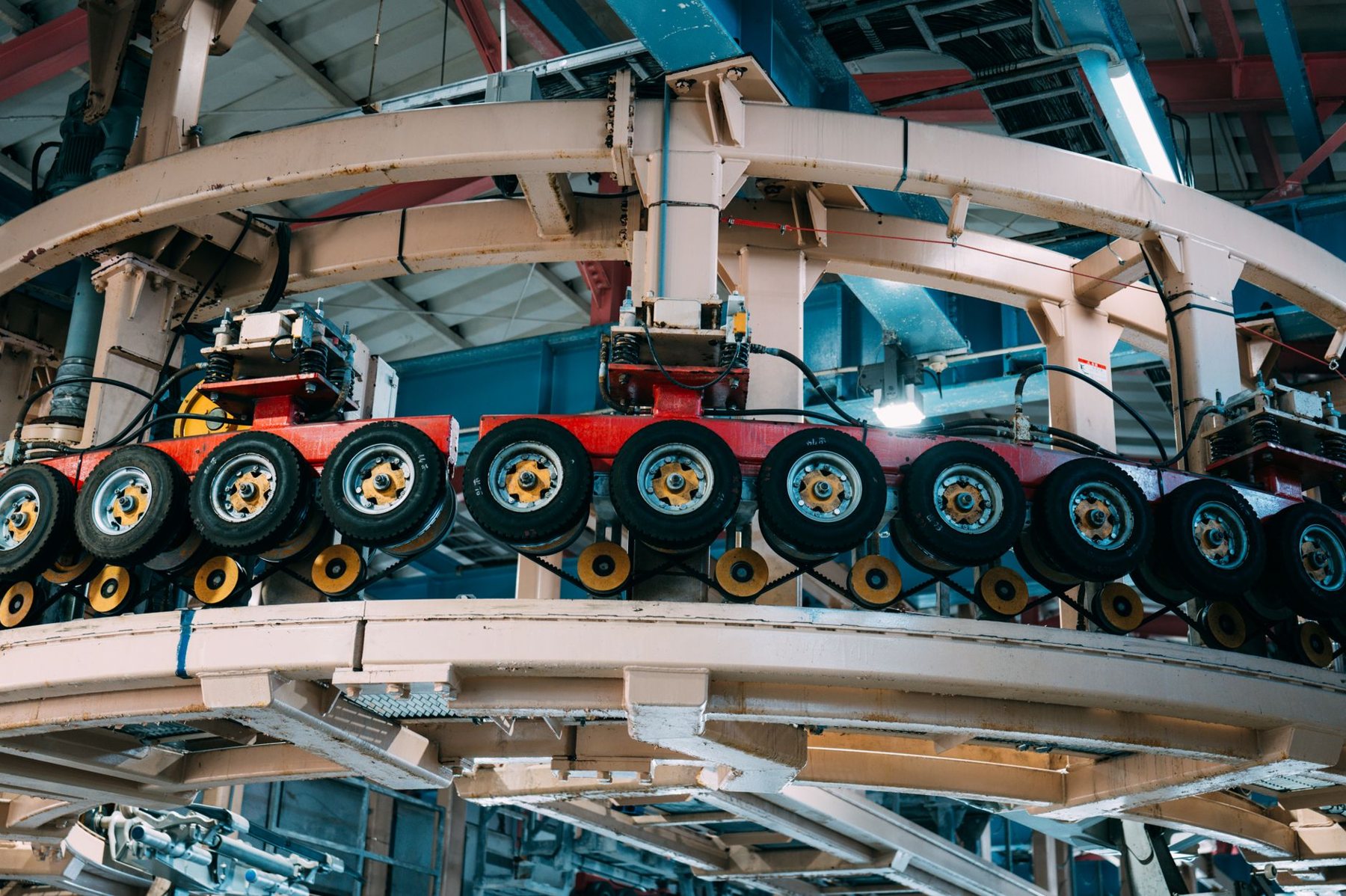
Mould and tooling
Clean the mould in the press between runs instead of pulling and crating it. The problem solved is downtime, not dirt.
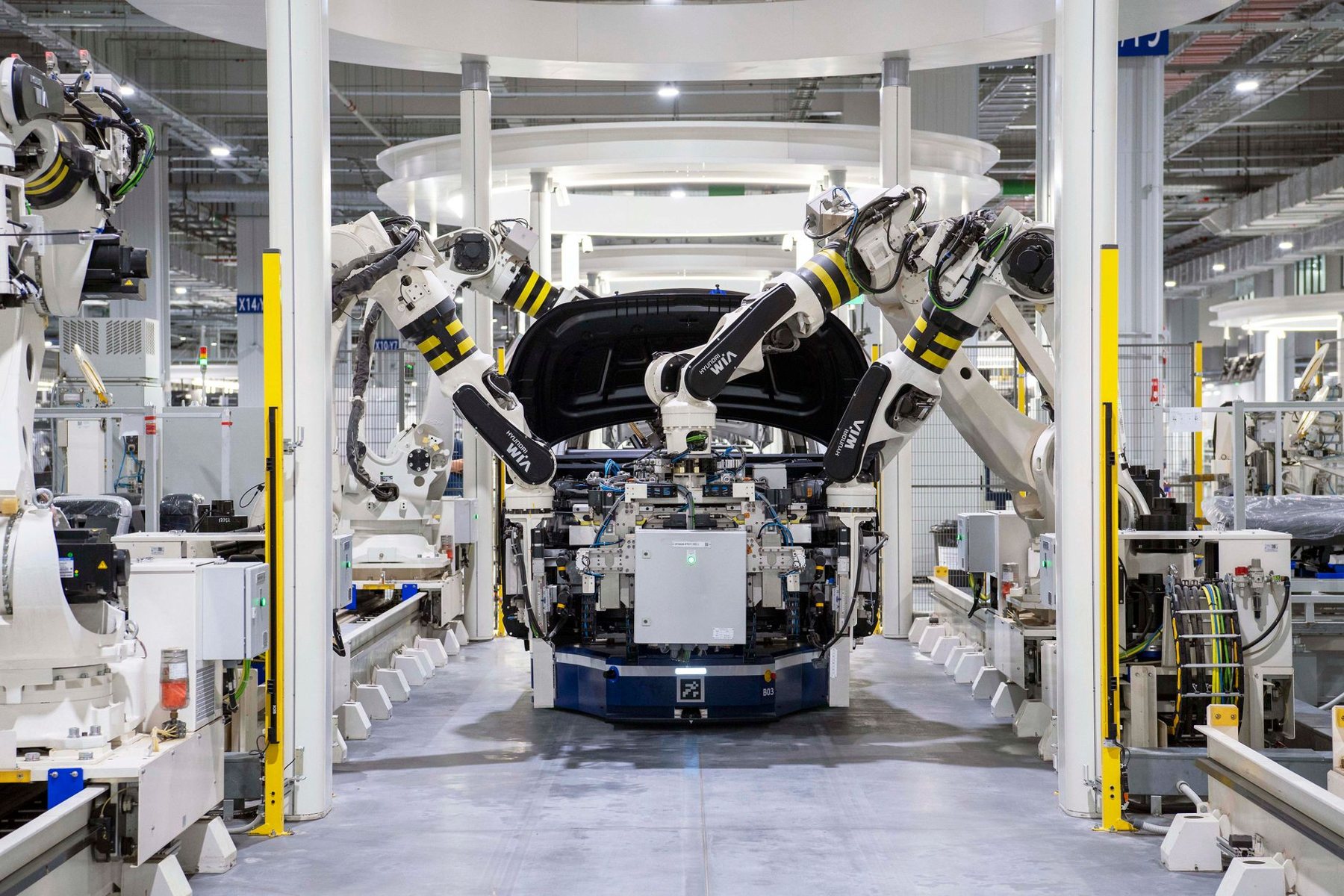
Automotive components
Pre-weld preparation and spot repair without blasting media. Machined datums keep their dimensions.
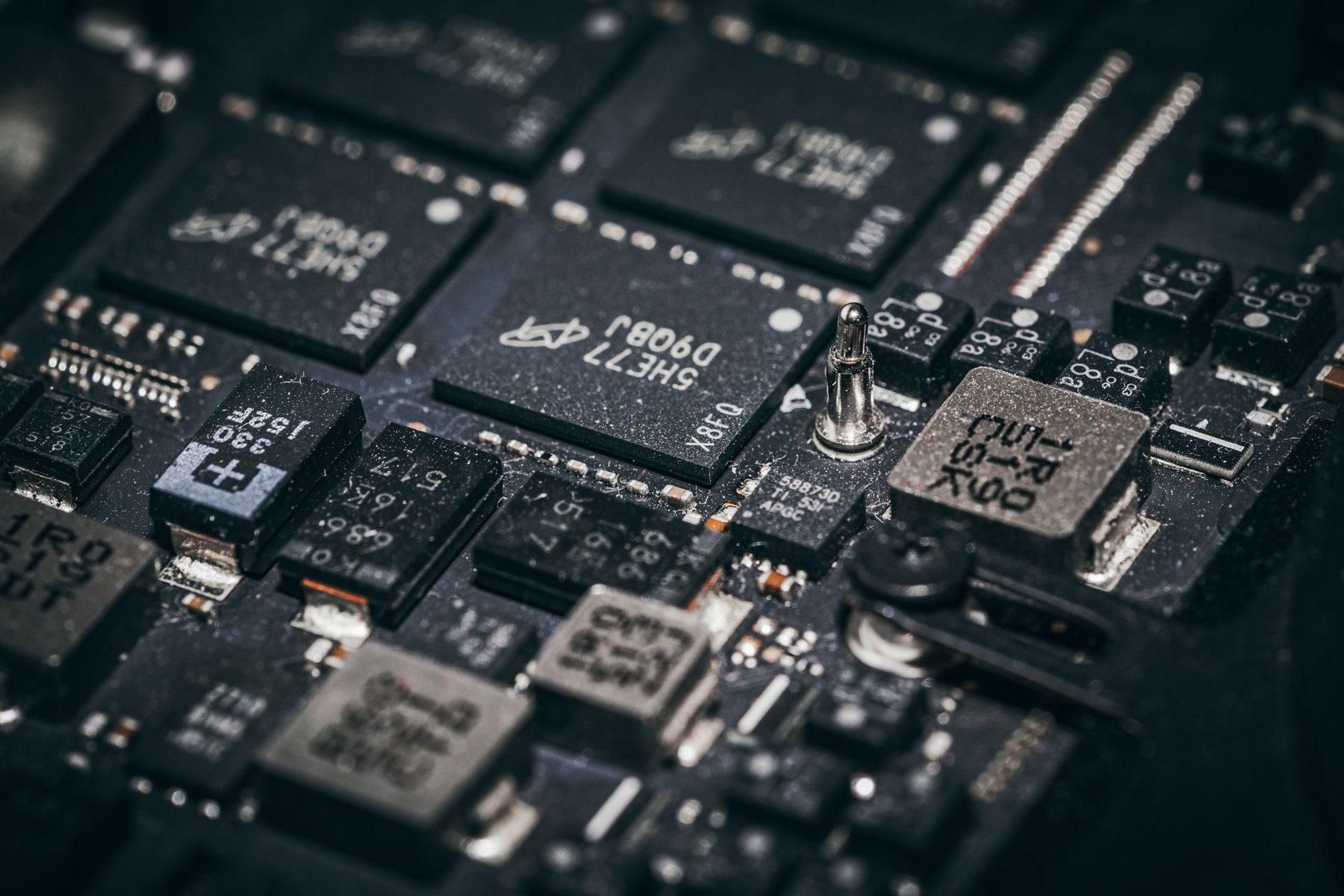
Electronics and precision parts
Remove thin oxide films from contacts and lead frames before joining. Plating and dimensions stay in tolerance.
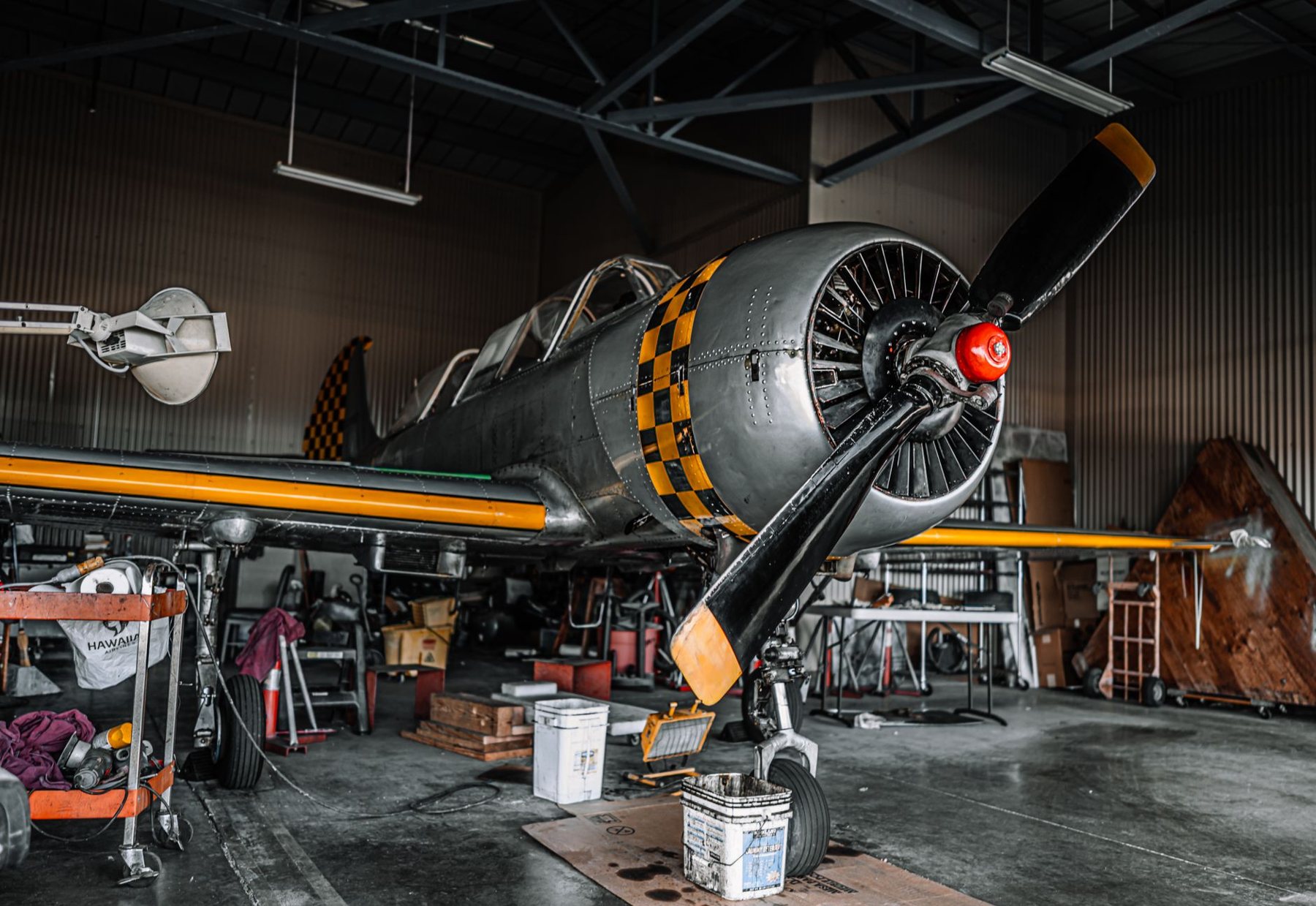
Aerospace and high-value repair
Turn parts that would otherwise be scrapped into refurbishable components.
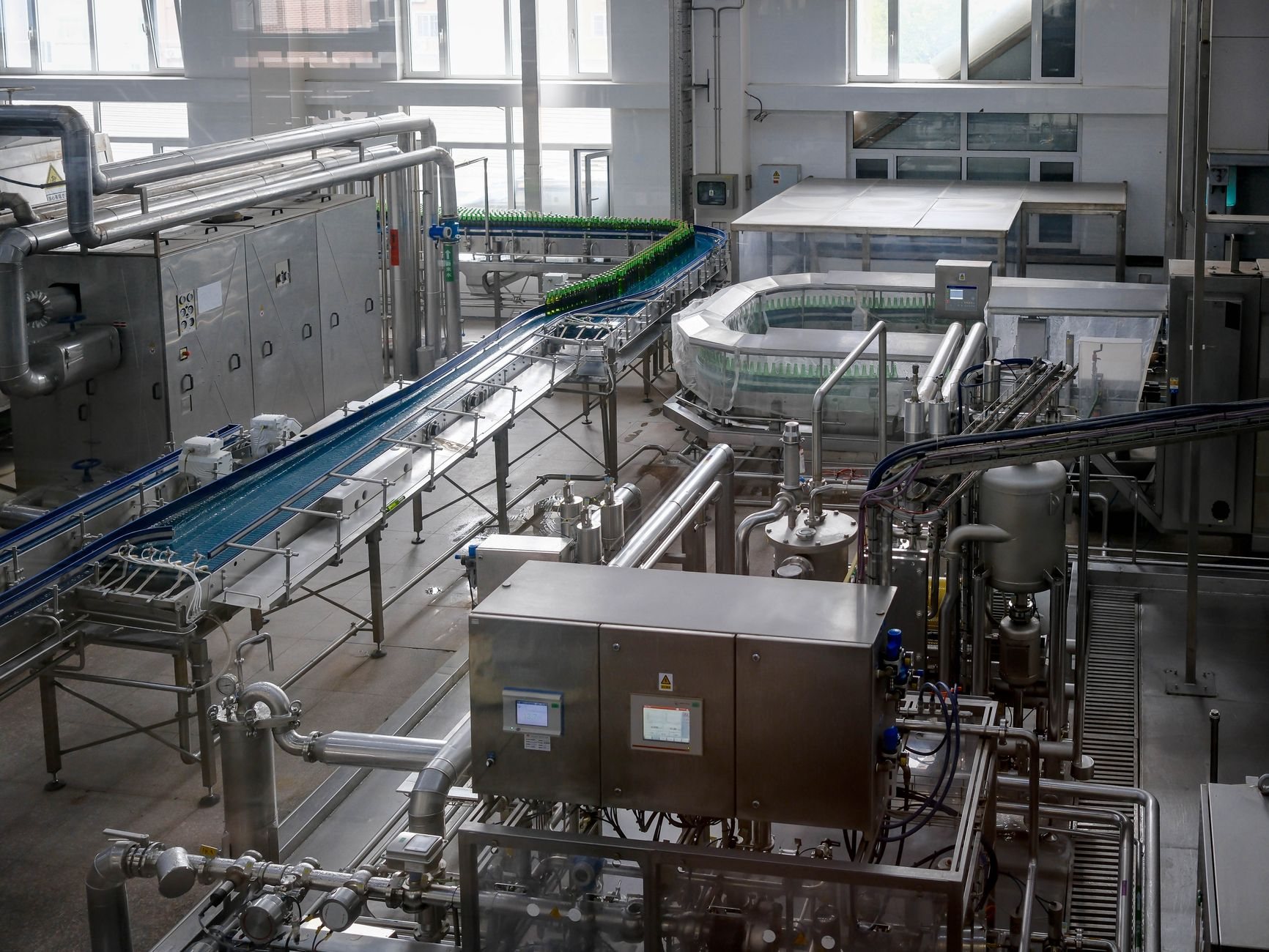
Food, pharma and rubber processing
No solvent residue and no rinse water, so there is less to document and less for an auditor to ask about.
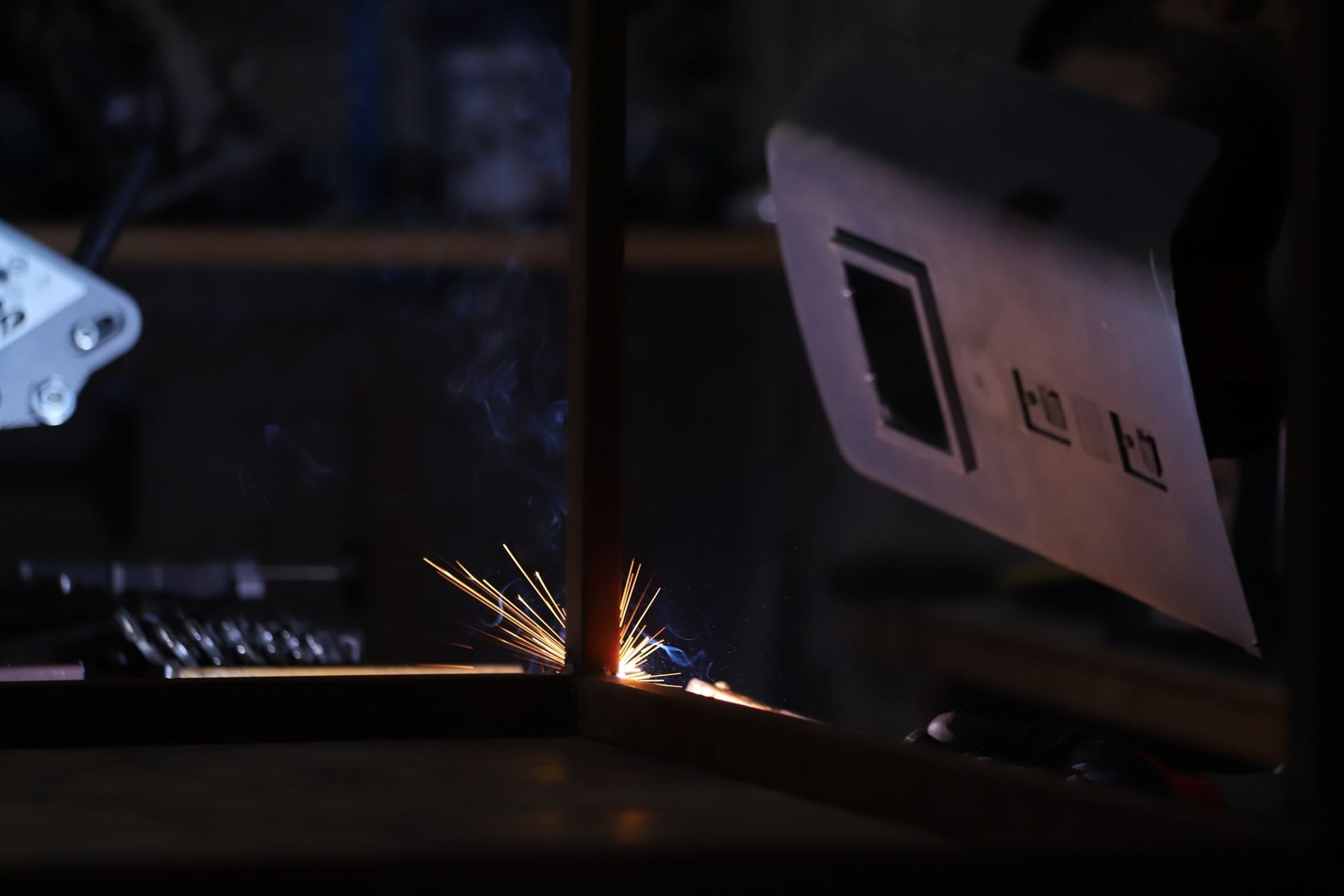
Weld preparation and post-weld cleaning
Strip oxide and oil from the joint edge, then remove heat tint after welding, with the same machine.
Pulse laser vs sandblasting vs chemical cleaning
All three methods can leave a part clean. What separates them is how they get there. Choose by the job, not by habit.
| Point | Pulse laser | Sandblasting | Chemical cleaning |
|---|---|---|---|
| How it works | Light: short pulses lift the contaminant | Impact: abrasive grit | Dissolving: wet chemistry |
| Effect on the base metal | Layer you aim at only; surface stays as machined | Removes some base metal and leaves a rough profile | Depends on the chemical; wet handling |
| Waste and consumables | None to sweep up or drain; fumes go to the extractor | Spent grit to clean up and dispose of | Waste liquid to treat, residue checks |
| Where it can run | Next to assembled equipment, in the line or on site | Needs a booth | Tanks or wet area |
| Reaches blind holes and channels | No, line of sight only | Limited | Yes |
| Choose it when | The part must keep its exact surface, cannot be moved, or must stay free of grit and liquid | The coating system needs a rough anchor profile | The dirt sits where no light can reach |
Choose, check, calculate
Selection guide
Size the power to your workload, match pulse width to the substrate, and pick air or water cooling and the format by working radius. Read the selection guide
Specifications explained
Every parameter, its range across the collection and what the number changes in your work. See the specifications
Price, running cost and ROI
What the price is made of, how to count running cost against blasting or chemicals, and how to build the payback case. Open the price and ROI guide
Warranty and after-sales support
3+2 year warranty
The extra 2 years cover the laser source.
15+ repair centres
Laser repair centres worldwide, using only new original parts.
24 h on-site support
Within 24 hours in 130+ countries.
Lifetime remote support
Free, 24/7, by email, AI service desk, WhatsApp, WeChat and TeamViewer/AnyDesk. Software upgrades are free for life.
Our contract guarantees no refurbished or second-hand parts, backed by a 10x penalty clause. Standard models carry a 30-day return policy (return freight, import costs and depreciation are borne by the buyer). Warranty and support details
How an order works
Inquiry
Tell us your material, contaminant and layer thickness.
Remote sample test
A 10-minute test on your material, backed by a library of 100,000+ process parameters.
Quote
You receive a quote for the model that fits the job.
Production
The machine is built by us, with optics, mechanics, electrical control and software made in-house.
DDP delivery
To 50+ countries, delivered with no import paperwork on your side.
Remote support
Lifetime free remote support and free software upgrades once the machine is running.
From the resource centre
Practical guides on how pulse laser cleaning works, how to buy and how to run it safely.
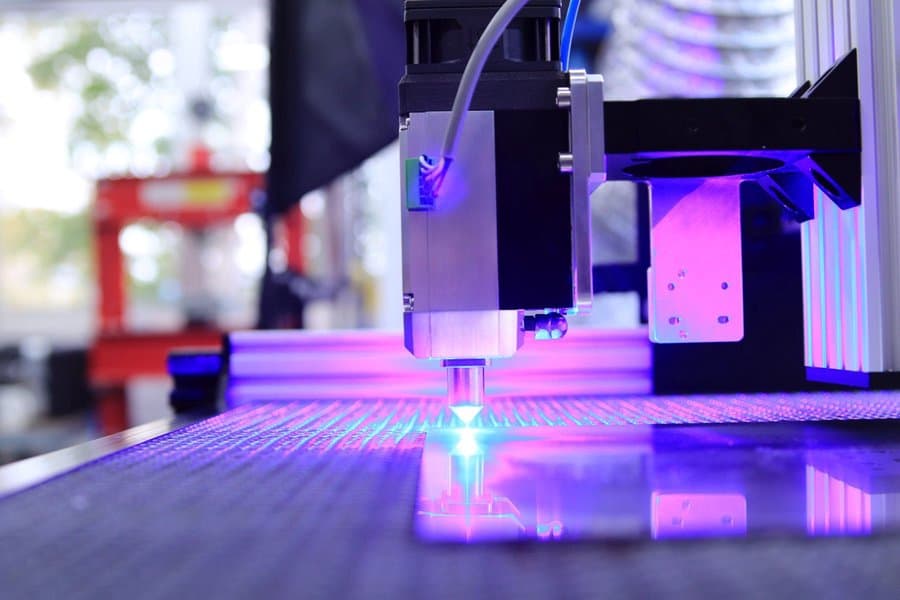
Working Principle of Pulse Laser Cleaning
How short laser pulses lift rust, paint and oil off a surface while the metal underneath stays cool, and which settings control the result.
Read more →
Advantages of Laser Cleaning
Control, a dry non-contact process and repeatable results: what laser cleaning changes in your workshop, and where it is not the right tool.
Read more →
Pulse Laser Cleaning Compared with Sandblasting and Chemical Cleaning
Three ways to clean a part, compared by mechanism, side effects and fit. Includes a table and a checklist for choosing the right method.
Read more →Frequently asked questions
What is a pulse laser cleaning machine?
It uses short, high-energy laser pulses to remove rust, paint, oil and oxide from a surface. Each pulse ends before heat reaches the base material, so the part underneath is not damaged when settings are right.
Which power should I choose?
100-300 W suits precision parts and thin layers, 300-500 W is the daily workhorse for routine rust and paint, and 1000-2000 W is for heavy layers and large areas across full shifts. Send us your material and contaminant and we will recommend a model.
Can you test my material before I buy?
Yes. We run a 10-minute remote sample test on your material, supported by a parameter library of 100,000+ entries, so you see the result before you decide.
What warranty do you give?
3+2 years: three years on the machine, and two extra years covering the laser source. Free software upgrades for life and lifetime remote support are included.
Do you deliver to my country and handle import paperwork?
We offer DDP delivery to 50+ countries, so you handle no import paperwork. For other destinations, tell us where the machine is going and we will confirm the shipping terms.
Is laser cleaning safe?
It is a Class 4 laser process and must be run with eyewear matched to 1064 nm, proper fume extraction and a controlled work area. Test any new material on an offcut first.
Get a quote for your application
Tell us what you clean and we will recommend a model, or run a 10-minute remote sample test on your material first.