Key takeaways
- Control is the core benefit: you choose the layer to remove and where to stop.
- The process is dry and non-contact, so there is no grit, solvent or rinse water to manage.
- Parameters can be saved, so results repeat across operators and shifts.
- It is not the answer to every job. Hidden cavities and rough-profile requirements need other methods.
Control over what comes off
The main advantage of laser cleaning is control. You choose which layer to remove and where to stop, and the beam goes only where you point it. That lets you strip paint from a weld seam and leave the coating beside it, clean the face of a mould and keep its texture, or take oxide off a contact without touching its plating. Few other cleaning methods can work this selectively.
A dry, non-contact process
It is also a dry, non-contact process. There is no grit to sweep up, no solvent to store and no rinse water to drain, so cleaning can take place beside assembled equipment, on the production line or out on site, without a booth. Nothing presses on the part, so thin sections and fine edges keep their shape.
Repeatable results
Results are also repeatable. Once a set of parameters works on a part, every operator gets the same finish from it, on every shift. That makes cleaning quality easier to hold and easier to check, and the contaminant goes into the fume extractor instead of spreading through the workshop.
What the advantages mean in daily work
Advantages only matter if they change something in your shift. The table translates each one into a practical effect.
| Advantage | What it changes for you |
|---|---|
| Selective removal | Fewer masking steps and fewer rejected parts, because the layer you want to keep stays. |
| No consumables | Nothing to buy, load or dispose of for each job. Your costs are mainly electricity, protective lenses and maintenance time. |
| Dry process | No drying time and no flash rust from water-based cleaning. |
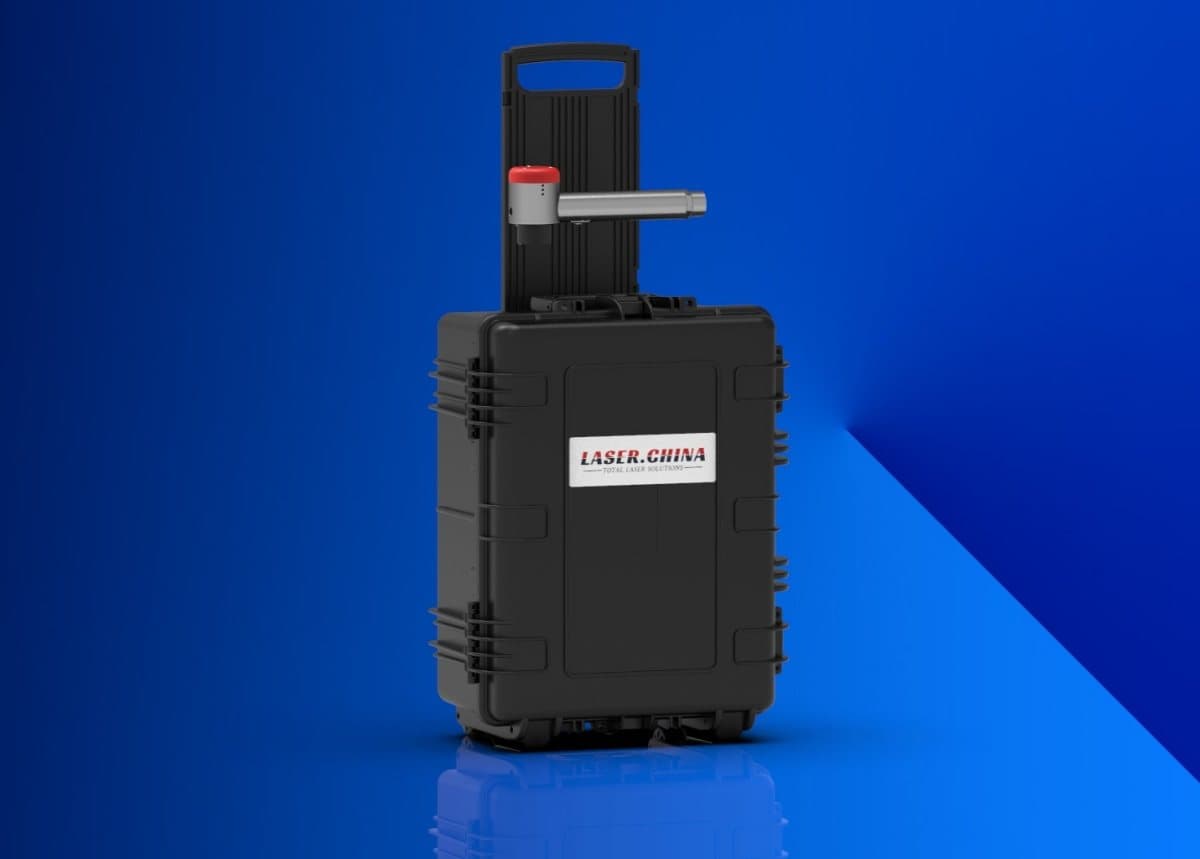
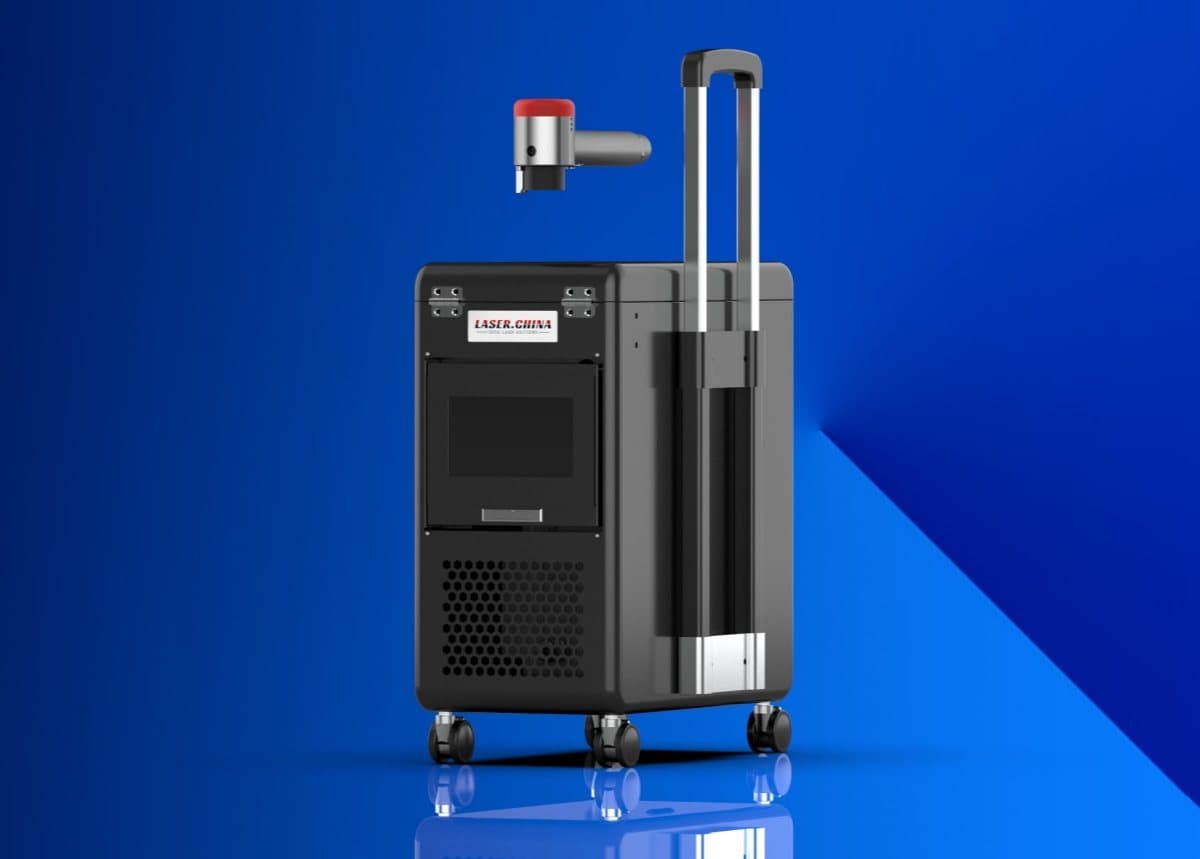
| Portable formats | The machine goes to the part, so you avoid dismantling and transport. |
| Saved parameters | New operators can reach a consistent result faster, using a proven recipe. |
Where laser cleaning is not the right tool
A fair comparison includes the limits. A beam cleans what it can see, so deep blind holes and internal channels are better handled by chemical methods. If a coating specification demands a deep, rough anchor profile, abrasive blasting is still the correct choice. Very thick, heavy coatings over large areas are slower to remove with a pulse laser than with other methods, and you should weigh that against the benefit of keeping the substrate intact.
Laser cleaning is not hazard-free. The machine is a Class 4 laser, so use eyewear matched to 1064 nm, extract the fumes and test on an offcut first.
Checklist: is laser cleaning a good fit?
- The part must keep its exact surface, plating or texture.
- The part cannot be moved, or moving it costs more than cleaning it.
- You want to avoid grit, solvent, rinse water or waste handling.
- The same cleaning job comes back often enough to benefit from saved parameters.
- The contaminant sits on a surface the beam can reach.
If most of these apply, a pulse laser will probably pay back through saved downtime and consumables. If few apply, another method may still be the better choice, and we will say so.
Where buyers see the change first
Most buyers notice three things within the first weeks. The first is the floor: no grit, no spent solvent and no wet patches. The second is the schedule: jobs that used to wait for a blast booth or a crane can be done where the part sits. The third is the finish: parts come back the same each time, which makes inspection simpler.
The effect on safety and housekeeping is real but needs care. Removing grit and solvents removes some risks, while the laser itself brings others that must be managed with training, eyewear and extraction.
Advantages that grow over time
Some benefits are visible on day one. Others build up. A library of saved recipes becomes a shared asset: a new operator starts from a proven setting instead of from scratch. With no consumables to order, there is less purchasing and less stock to keep. Maintenance is mainly a matter of keeping optics clean and replacing protective lenses on schedule.
The source itself is rated for 100,000 working hours, so on two shifts the laser can serve for well over a decade. Support helps you keep it running, with remote help available around the clock and a 3+2 year warranty.
How to test the claims yourself
Do not take any advantage on trust, including ours. Choose a representative part, measure what matters to you, such as surface finish, dimensions, time and clean-up effort, and compare it with your current method. A fair test uses the same part and the same inspector.
Frequently asked questions
Is laser cleaning slower than blasting?
It depends on the layer. On light contamination and on precision work the difference is small or reversed, because there is no masking or clean-down. On thick coatings over large areas, blasting can cover ground faster. We recommend a sample test on your own part.
Does laser cleaning damage the base material?
When parameters are set correctly, damage is minimal because the pulse ends before heat spreads. Damage appears when power is too high or the beam dwells, which is why testing on an offcut matters.
What do I still need to buy after the machine?
Plan for protective lens replacement, eyewear matched to 1064 nm and a fume extraction solution. There are no abrasives or chemicals to restock.
Can anyone operate it?
Operators need training on laser safety and on the machine settings. Saved parameters make routine work easier, but they do not replace training.
Next step: compare cost against your current method on the price and ROI page, or talk to us about your parts.