Key takeaways
- Pulse laser cleaning removes rust, paint, oil and residue with short light pulses, without abrasives or chemicals.
- It suits jobs where the base material must stay intact or where the part cannot be moved.
- Five choices decide the machine: power, pulse settings, cooling, format and service.
- You can send a sample for a remote test before you buy.
What pulse laser cleaning is
Pulse laser cleaning uses short, high-energy laser pulses to vaporize or lift contaminants off a surface. The beam is steered by a scanning head in the operator's hand or on a fixture. The contaminant absorbs the light, breaks away and is collected by a fume extractor. The material underneath, which absorbs less, stays largely unharmed when the settings are right.
There is no abrasive to buy and no liquid to dispose of. That is why buyers use it on moulds, welded joints, machined parts, heritage surfaces and equipment that is hard to move.
What it can replace
- Abrasive blasting on precision parts where the surface must not be roughened.
- Chemical cleaning where wet handling, effluent or residue checks are a burden.
- Hand tools such as wire brushes and flap discs for rust and paint on accessible surfaces.
It does not replace everything. Deep blind holes and jobs that need a rough anchor profile still belong to other methods. See our comparison article for details.
Five choices that define the machine
| Choice | What to ask |
|---|---|
| Power | 100-300 W suits precision parts and thin layers. 300-500 W is the daily workhorse. 1000-2000 W suits heavy layers and large areas across full shifts. |
| Pulse settings | Is pulse width adjustable? Our MOPA machines offer 2-500 ns, so one machine covers many substrates. |
| Cooling | Air cooling suits intermittent and mobile work. Water cooling suits continuous shifts and hot conditions. |
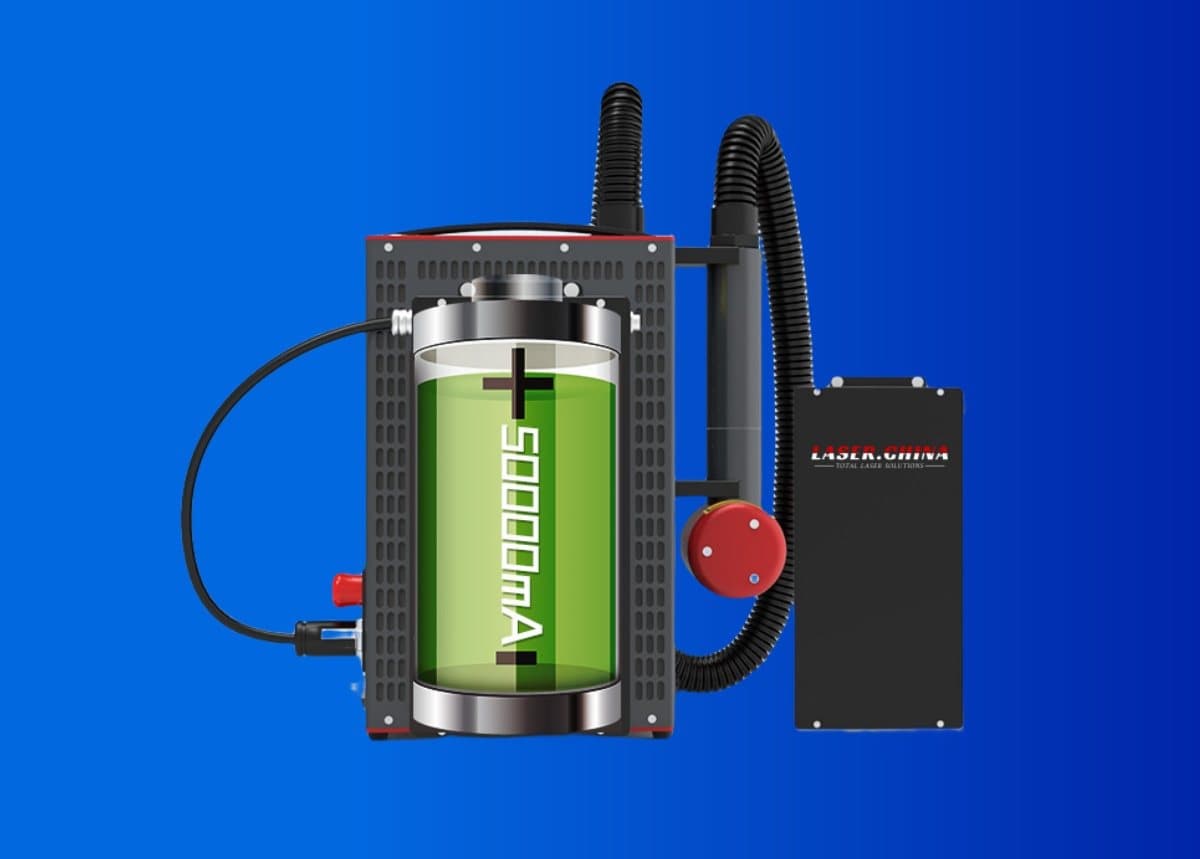
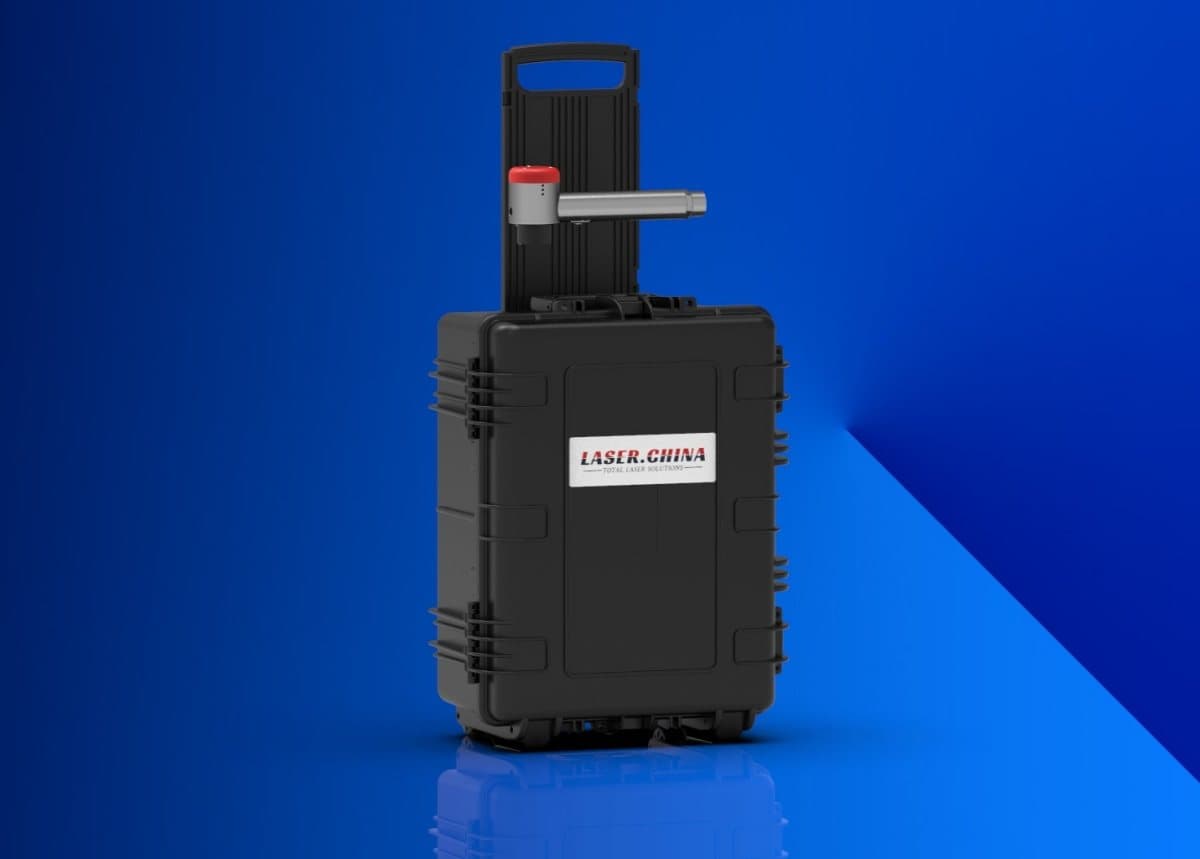
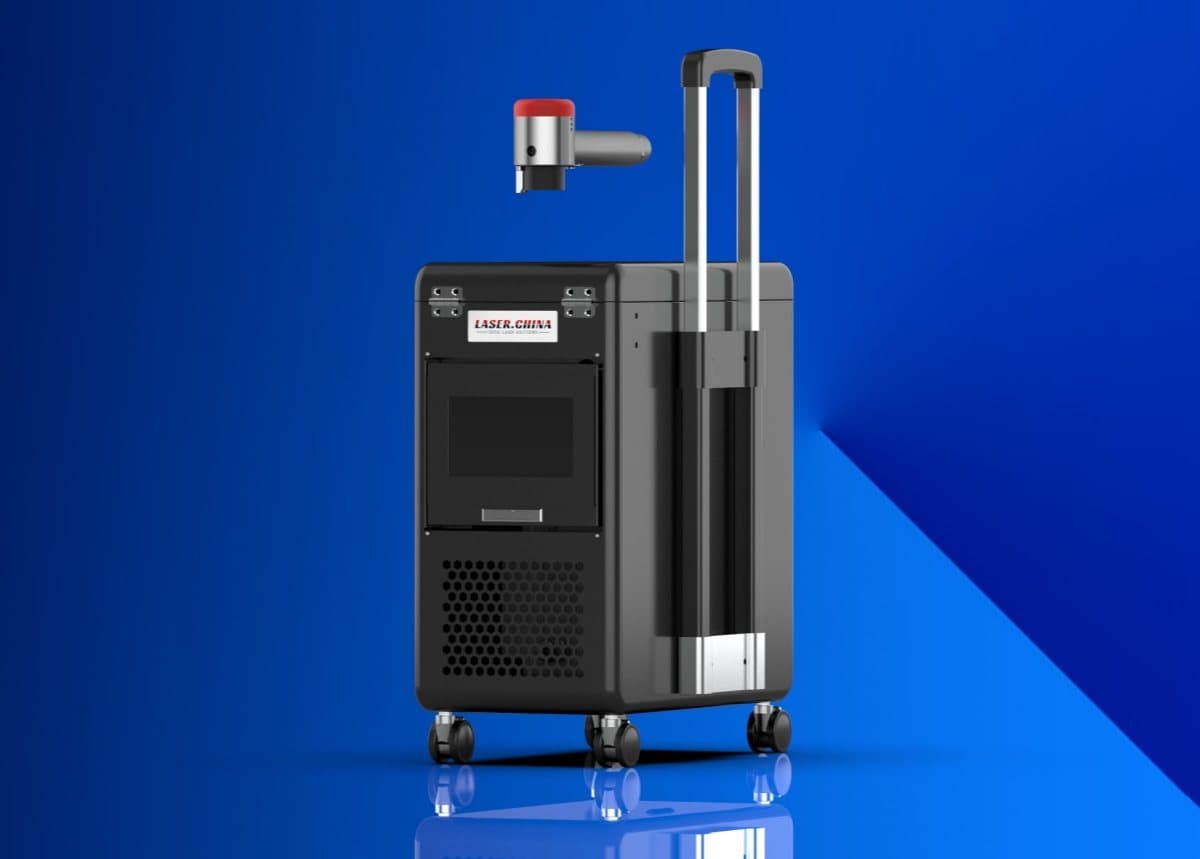
| Format | Backpack, carry case, suitcase, trolley or cabinet, depending on how far the machine must travel. |
| Service | Warranty, spare parts, remote support and training should be written down before you pay. |
Exact values vary by model, so check the datasheet of the product you choose.
What good support looks like
A cleaning laser works for years, so the supplier matters as much as the machine. Our standard cover includes a 3+2 year warranty, with the extra two years on the laser source, free software upgrades for life, and remote support around the clock. You can read the full terms on the warranty and support page.
These machines are Class 4 lasers. Plan for eyewear matched to 1064 nm, fume extraction and trained operators from day one.
Buyer checklist
- List your three most common substrates and contaminants.
- Decide whether the machine travels or stays in one bay.
- Estimate the layer thickness and how many hours a shift you will clean.
- Choose cooling to match the duty cycle and ambient temperature.
- Ask for a sample test on your own material.
- Compare total running cost, not only the machine price.
What a first project looks like
Most buyers start with one clear job: a mould that costs half a day to clean, a weld seam that needs oxide removed, or a piece of equipment that cannot be moved. Start there. Pick a sample part, agree the target finish and test it. Once the first recipe works, add parts one by one and save each recipe.
Training is part of the project. Your operators should know laser safety, the basic settings and how to inspect the surface. Plan this time before delivery, not after.
How to read a datasheet without getting lost
A datasheet can list a dozen numbers, but a few matter most for cleaning. Average power tells you how fast you can work. Single pulse energy tells you whether thick layers break in one pass. Pulse width tells you how much heat enters the part. Frequency sets how evenly pulses overlap. The rest, such as scanning size and speed, affect how long a square metre takes.
Exact values vary by model, and one number never tells the whole story. Compare machines on the combination, and then on a sample test. Our specifications explained page walks through each line.
Where to be careful with quotes
Ask what is included: the laser source, cooling, scanning head, software, safety hardware, training and delivery terms. A low price that leaves out parts of this list can cost more later. We offer DDP delivery to 50+ countries, so you do not have to handle import paperwork.
Frequently asked questions
Is pulse laser cleaning the same as laser engraving?
No. Both use lasers, but cleaning removes a thin contaminant layer from the surface, while engraving cuts or marks the material itself.
Does it work on non-metals?
Short pulses and low heat input make many non-metal surfaces workable, including plastic, glass and composites. Always test first.
Do I need a special room?
Not a booth, but you need extraction, eyewear matched to 1064 nm and a controlled work area, because the machine is a Class 4 laser.
How do I know the machine fits my parts?
Send a sample. We offer a 10-minute remote sample test on your material and can recommend a power class from the result.
Before you buy, also ask about training for your operators and how spare parts such as protective lenses are supplied. These small items decide how smoothly the machine runs in year three, long after the first demonstration is forgotten.
Next step: use the selection guide to narrow the power class, then request a sample test.