
Pulse Laser Cleaning Applications
Six material and contaminant groups: what comes off, what stays, and what to test before you buy.
Pulse laser cleaning is not one job, it is a set of jobs with one thing in common: remove a layer and stop at the next one. Each application below lists what is taken off, what is meant to stay, which way the parameters usually lean, and the first test to run.
Parameter directions here are qualitative on purpose. Real settings depend on the machine, the material and the layer, and the sample test is how you find them.
A pulse laser cleaner is a Class 4 laser. Use eyewear rated for 1064 nm, fume extraction suited to the material, and always test on an offcut before working on the real part.
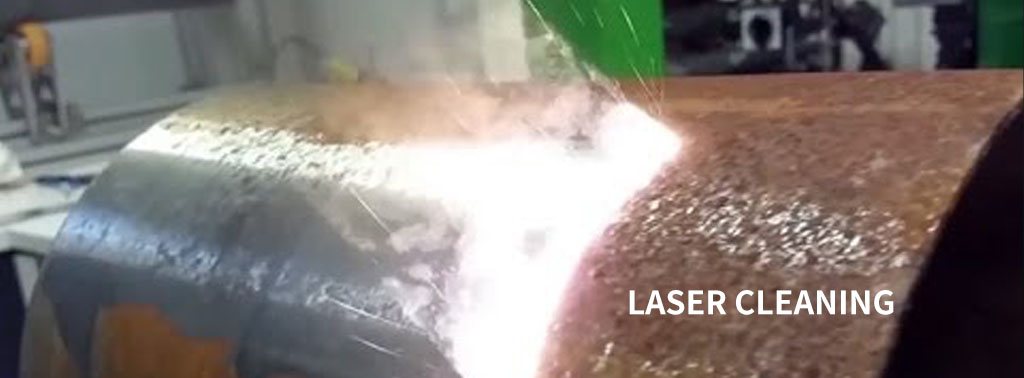
Rust and oxide layers
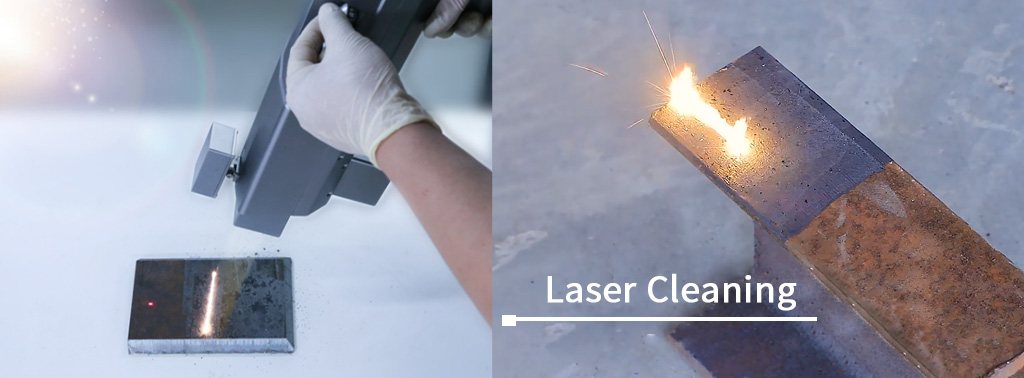
Light to medium rust, mill scale and weld oxide are removed while the metal underneath keeps its dimensions and structure. Heavy, flaking crust takes more passes, so judge the layer thickness before you judge the machine.
- Removed: Rust, mill scale, weld oxide, heat tint
- Stays: Base metal, machined faces, plating beside the work area
- Parameter direction: Short to medium pulse, moderate to high single-pulse energy for thick oxide, several passes on heavy rust
- Test first: A rusted offcut of the same steel, to find the lowest setting that clears the layer in a controlled number of passes
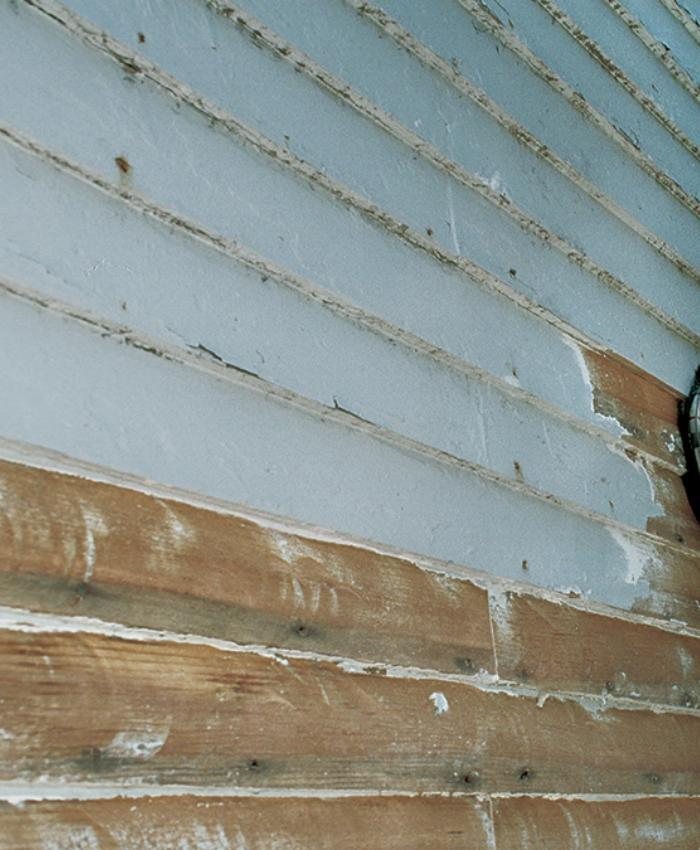
Selective paint and coating removal
This is where layer control pays off. Strip the topcoat and keep the primer, or clear a coating from a plated or anodised part without breaking through the finish below. Colour, thickness and adhesion of the coating all change the result.
- Removed: Topcoat, paint, coating, graffiti
- Stays: Primer, plating, anodised layer, the substrate
- Parameter direction: Short pulse, low to moderate energy, lower power first and increase only as needed
- Test first: A coated offcut from the same batch, checking that the layer you want to keep is still intact under magnification or by an adhesion test
Oil, grease and machining residue
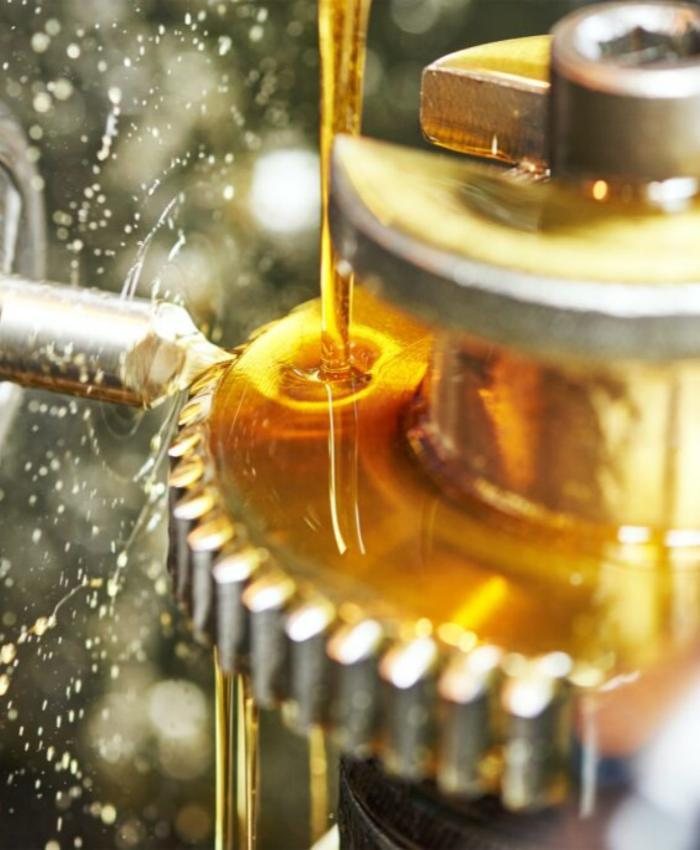
Degrease before welding, bonding or coating without a solvent tank. The surface stays dry, so there is no flash rust from water-based cleaning. Deep oil inside blind holes or porous castings is the limit of any line-of-sight method.
- Removed: Cutting oil, grease, drawing compound, light carbonised residue
- Stays: Surface finish and part geometry
- Parameter direction: Short pulse, low to moderate energy, higher scanning speed with good overlap
- Test first: Clean a section, then run your own cleanliness check, such as a wipe test or water-break test, before you commit to a process
Mould release agent and rubber residue
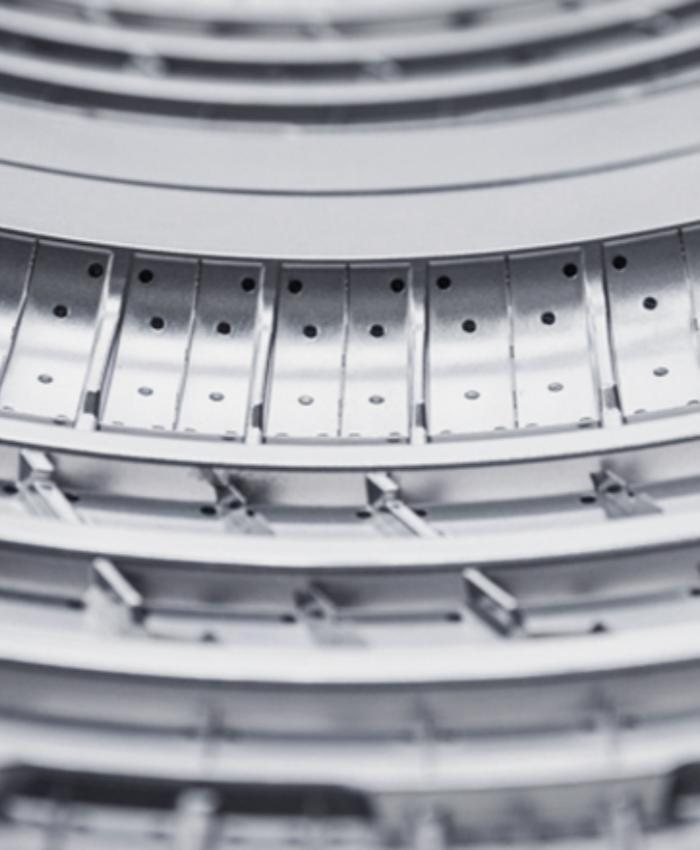
Clean tyre and rubber moulds while they are still on the press. Vulcanisation residue and release agent lift off, and the cavity texture and vent holes stay intact. The gain is downtime avoided, not just dirt removed.
- Removed: Release agent, vulcanisation residue, rubber build-up
- Stays: Cavity texture, fine engraving, vent holes
- Parameter direction: Short pulse, moderate energy, steady scanning, extra care around fine texture
- Test first: A low-visibility area of the mould or a spare segment, comparing texture under light before and after
Plastic, glass and composite substrates
Short pulses and low heat input make non-metal surfaces workable. Results depend heavily on the material, because plastics and composites differ widely in how they absorb 1064 nm light. Treat this as a sample-test application, not an assumption.
- Removed: Surface contamination, thin coatings, films, residue
- Stays: The substrate surface, within what the material tolerates
- Parameter direction: Shortest practical pulse, low energy, low power, fast scanning to limit heat build-up
- Test first: Send us a sample for a remote test first; discolouration, melting or fibre damage show up quickly on an offcut
Stone, brick and heritage surfaces
Soiling, biological growth and graffiti come off masonry without the surface loss that blasting or chemical poultices cause. Heritage work usually needs a conservator to approve the method and the test area.
- Removed: Soiling, biological growth, graffiti, surface deposits
- Stays: The original stone or brick surface and its patina where it must be kept
- Parameter direction: Short pulse, low energy, low power, move steadily and build up in light passes
- Test first: A small hidden area, reviewed by whoever is responsible for the surface, before any visible work starts

Not sure it fits your material?
Do not guess, and do not rely on a catalogue photo. Send us a piece of your actual part with a note on what you want removed and what must stay. We run it from our process library of 100,000+ parameter sets and show you the result remotely, in about 10 minutes.
- Tell us the material and the layer to remove
- Tell us what must stay intact
- Send photos or a physical offcut
- Get a recommended power class and format
Tell us what you need to clean
Send the material, the contaminant and the work location. We will come back with a recommended machine and a sample test plan.