Industries That Run on Pulse Laser Cleaning
Where cleaning is a bottleneck, a risk to the part or a source of paperwork, a pulse laser changes the work.
The reason differs by sector. For a mould shop it is downtime. For electronics it is tolerance. For food and pharma it is paperwork. For welding it is joint quality. The pattern is the same: a dry, non-contact process that takes off one layer and leaves the part as it was.
Mould and tooling
Cleaning a mould used to mean pulling it, crating it and losing half a day. With a 14 kg pulse laser cleaner, your team cleans it in the press between runs. The problem being solved is downtime, not dirt.
- Typical removal: Release agent and residue come off, texture and vent holes stay
- Parameter direction: Short pulse, moderate energy
Automotive components and maintenance
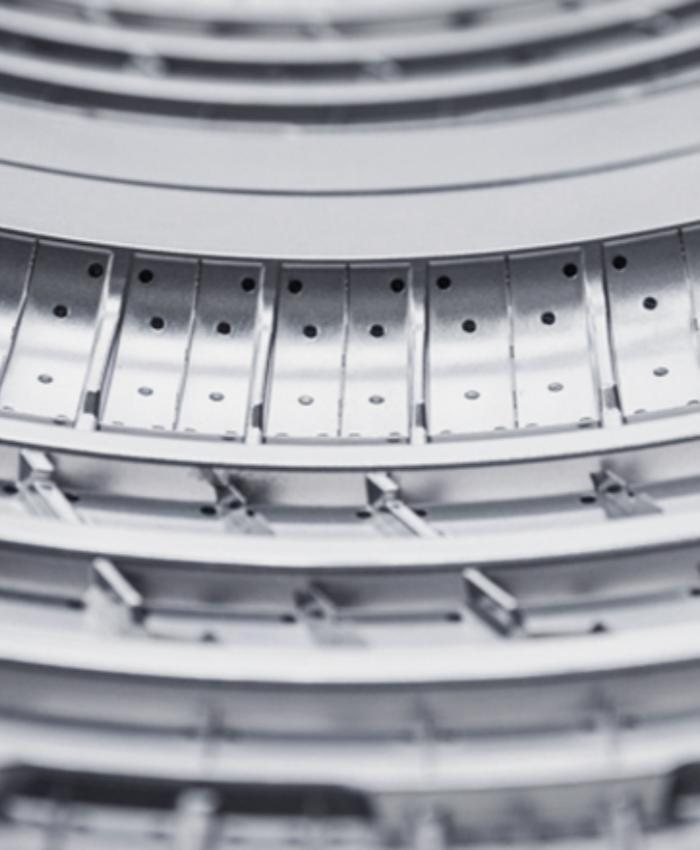
Pre-weld preparation and spot repair without blasting media. Machined datums keep their dimensions, and the second clean-up that grit always causes simply disappears.
- Typical removal: Oxide, oil and paint at joints, local coating repair
- Parameter direction: Short pulse, low to moderate energy
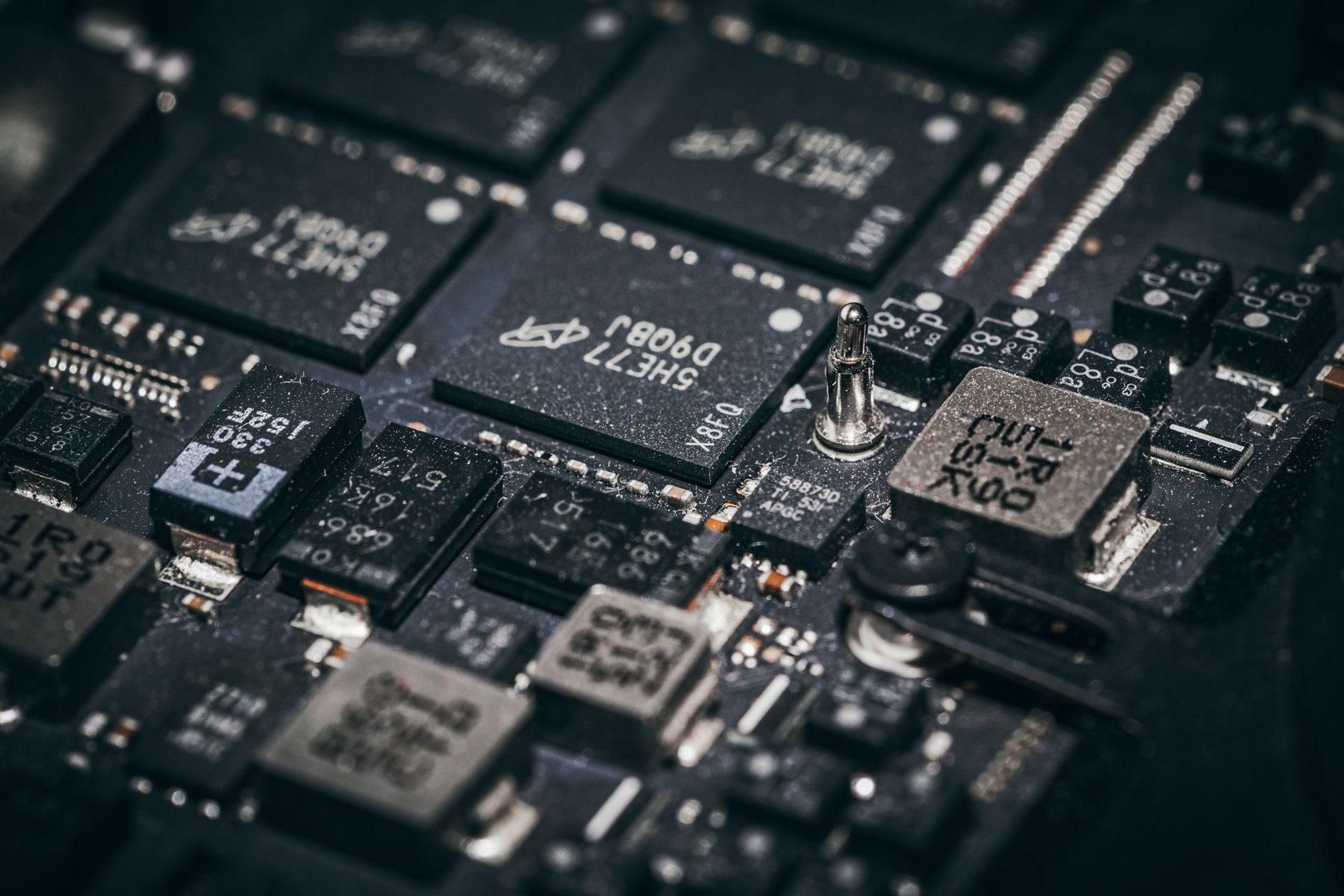
Electronics and precision parts
Contacts, connector pins and lead frames often carry a thin oxide film that weakens solder and weld joints. A pulsed laser removes that film before joining. Each pulse is too short to heat the part through, so plating and dimensions stay within tolerance.
- Typical removal: Thin oxide film before soldering or welding
- Parameter direction: Shortest practical pulse, low energy, lower power class
Aerospace and high-value repair
High-precision pulsed cleaning machines can turn parts that would otherwise be scrapped into refurbishable components, cutting costs and saving resources. Qualification and process approval stay with you and your customer; the laser gives you a controlled, repeatable way to prepare the surface.
- Typical removal: Coatings, oxide and contamination on refurbishable parts
- Parameter direction: Short pulse, low energy, repeatable saved parameters
Food, pharma and rubber processing equipment
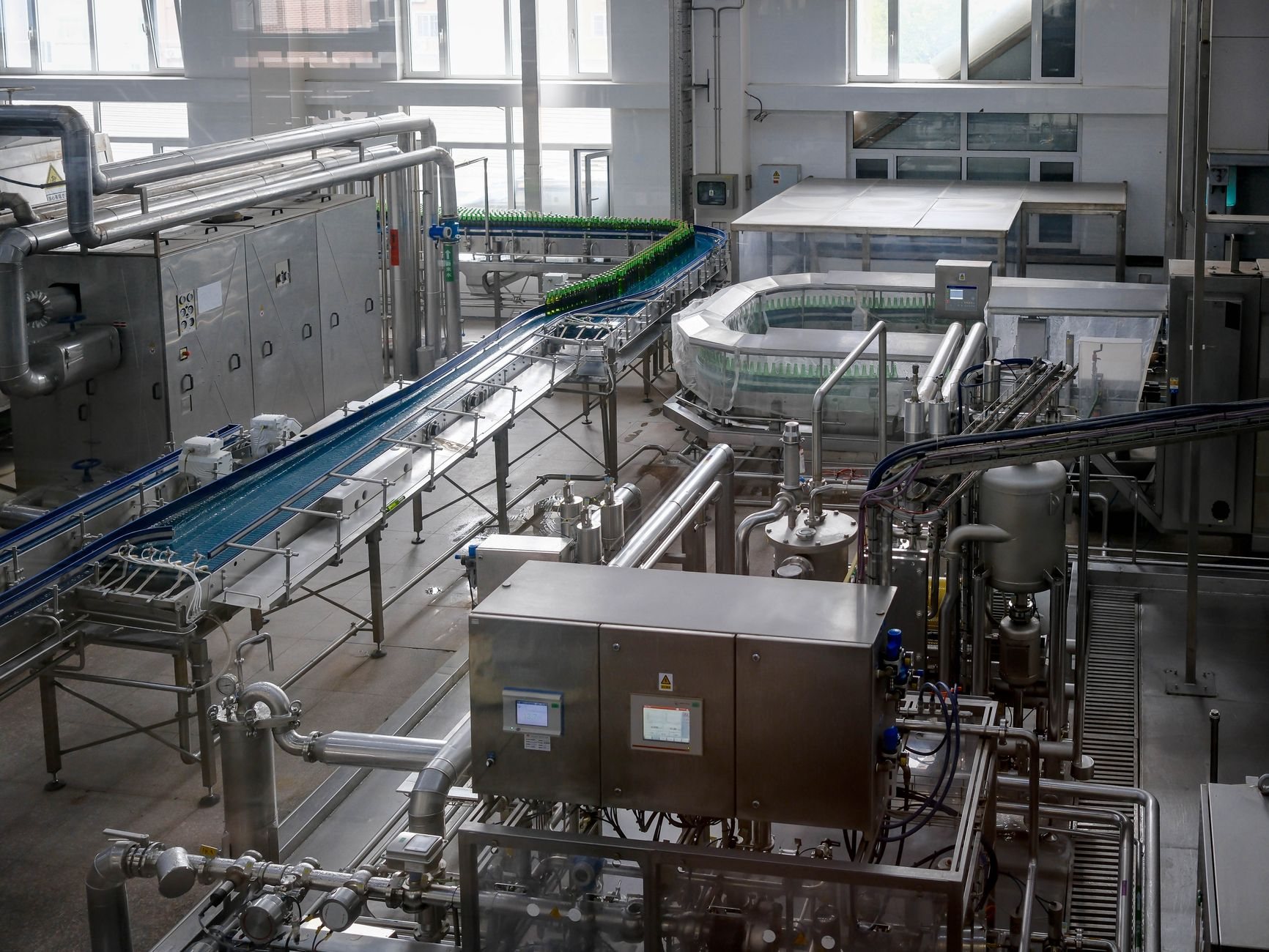
In food, pharma and rubber processing, the cleaning step usually comes with paperwork: swab tests for chemical residue, rinse logs, validation records for the wash-down. Pulsed laser cleaning removes the contaminant without adding any of that. There is no solvent to leave a residue and no rinse water to drain, so the line is ready sooner and there is less for an auditor to ask about. Your own hygiene and validation rules still apply.
- Typical removal: Baked-on residue, oxide and build-up on equipment surfaces
- Parameter direction: Short pulse, moderate energy, validated with your own checks
Weld preparation
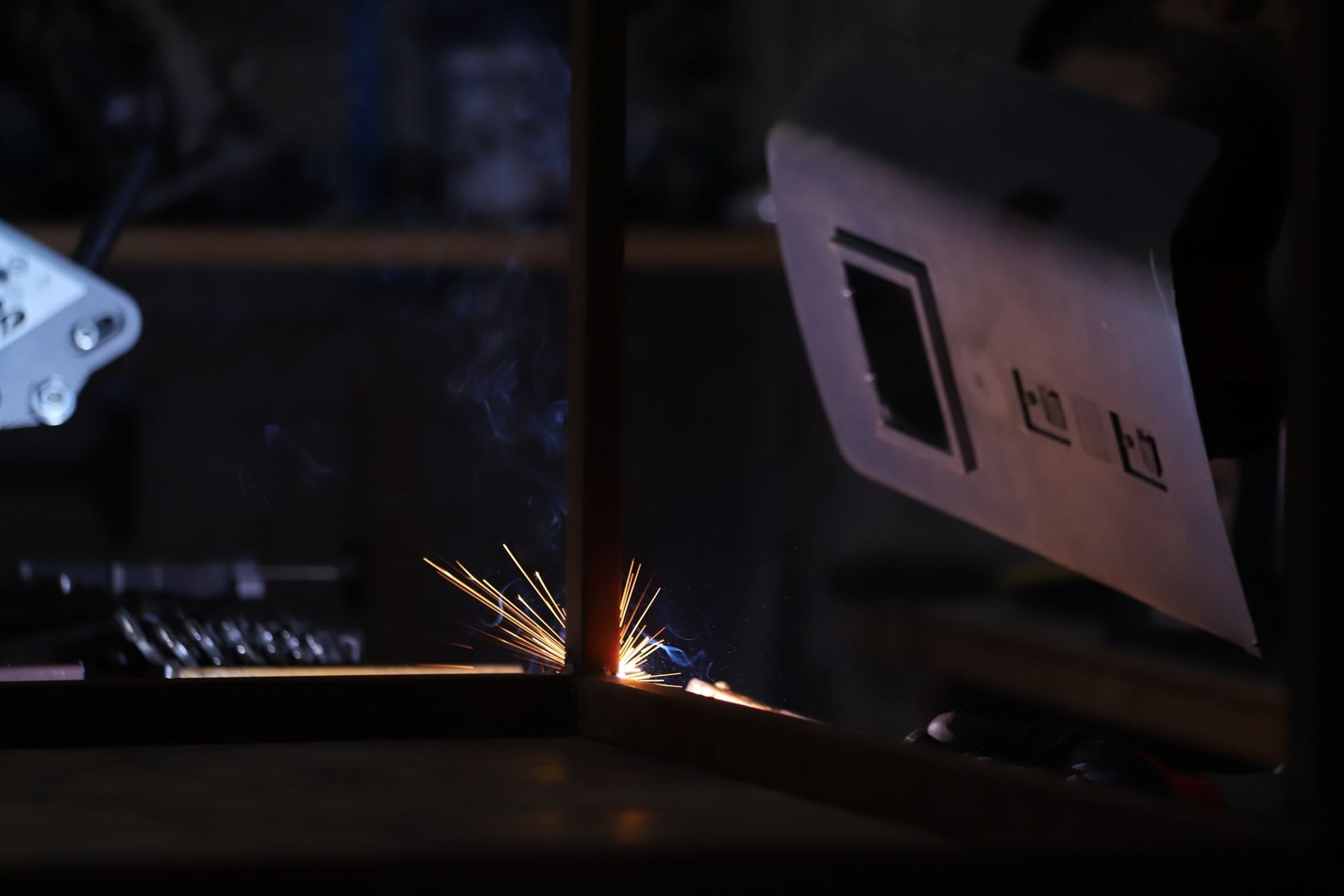
Before welding, the laser strips mill scale, oxide and oil from the joint edge, so the arc meets bare metal. Welders notice fewer pores, because there is no grease or scale to gas out in the pool. Weld in the same shift, since freshly cleaned steel is active.
- Typical removal: Mill scale, oxide and oil at the joint edge
- Parameter direction: Moderate pulse, moderate to high energy depending on scale
Post-weld cleaning
After welding, the same machine removes heat tint from the bead and the area around it. There are no flap discs, pickling paste or neutralizing rinse to stock, and no switching between tools mid-job.
- Typical removal: Heat tint and oxide around welds
- Parameter direction: Short to moderate pulse, light passes
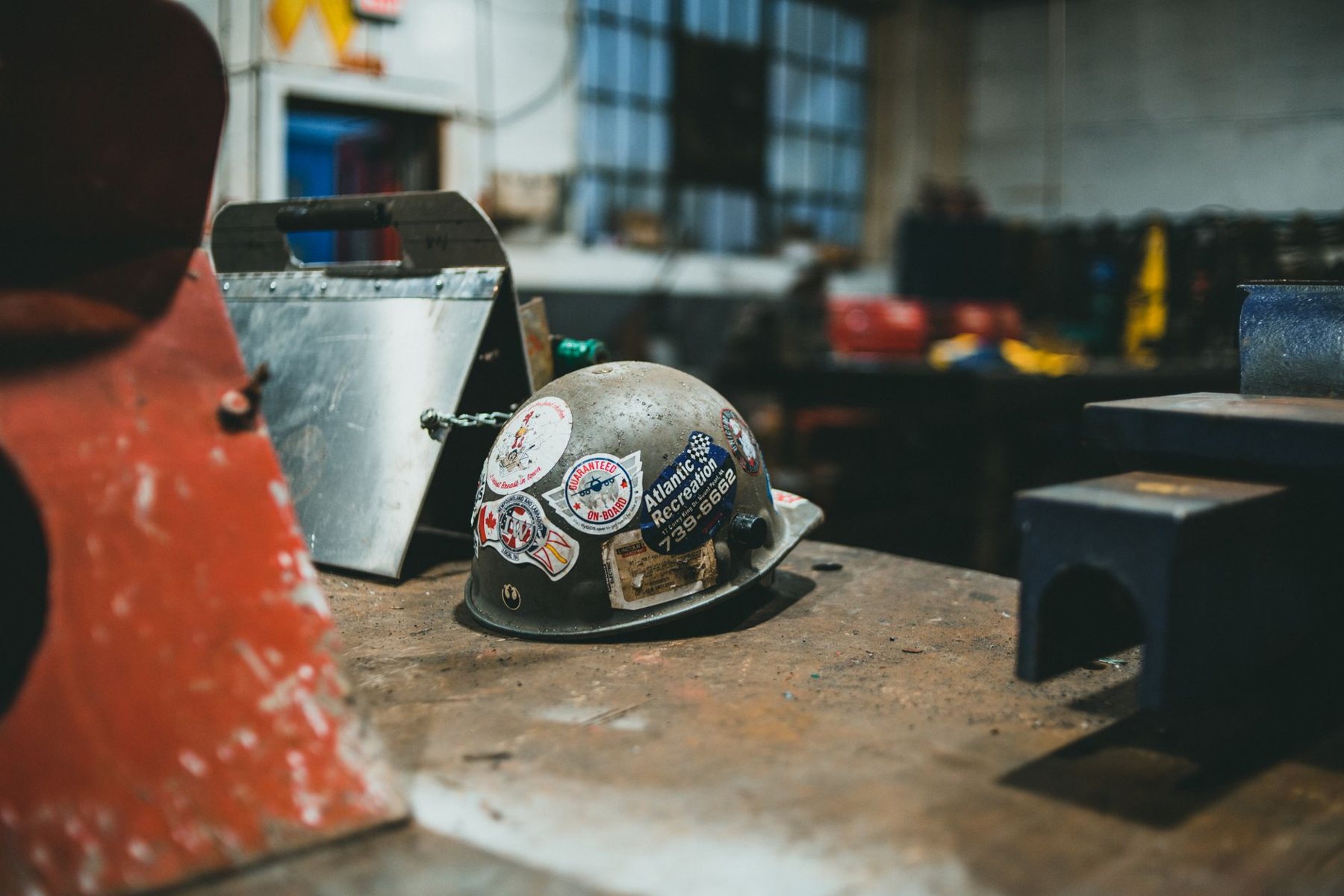
Where the machine goes to the work
Some jobs cannot come to the machine. These are use cases for a portable or mobile unit, not a list of customers. Always check site safety rules, hot-work permits and fume handling before you start.

Shipyards and hulls
Weld seams, repair patches and local coating removal on large steelwork that cannot be moved.

Bridges and steel structures
Local rust and coating removal at joints and details, usually reached from scaffolding or access platforms.
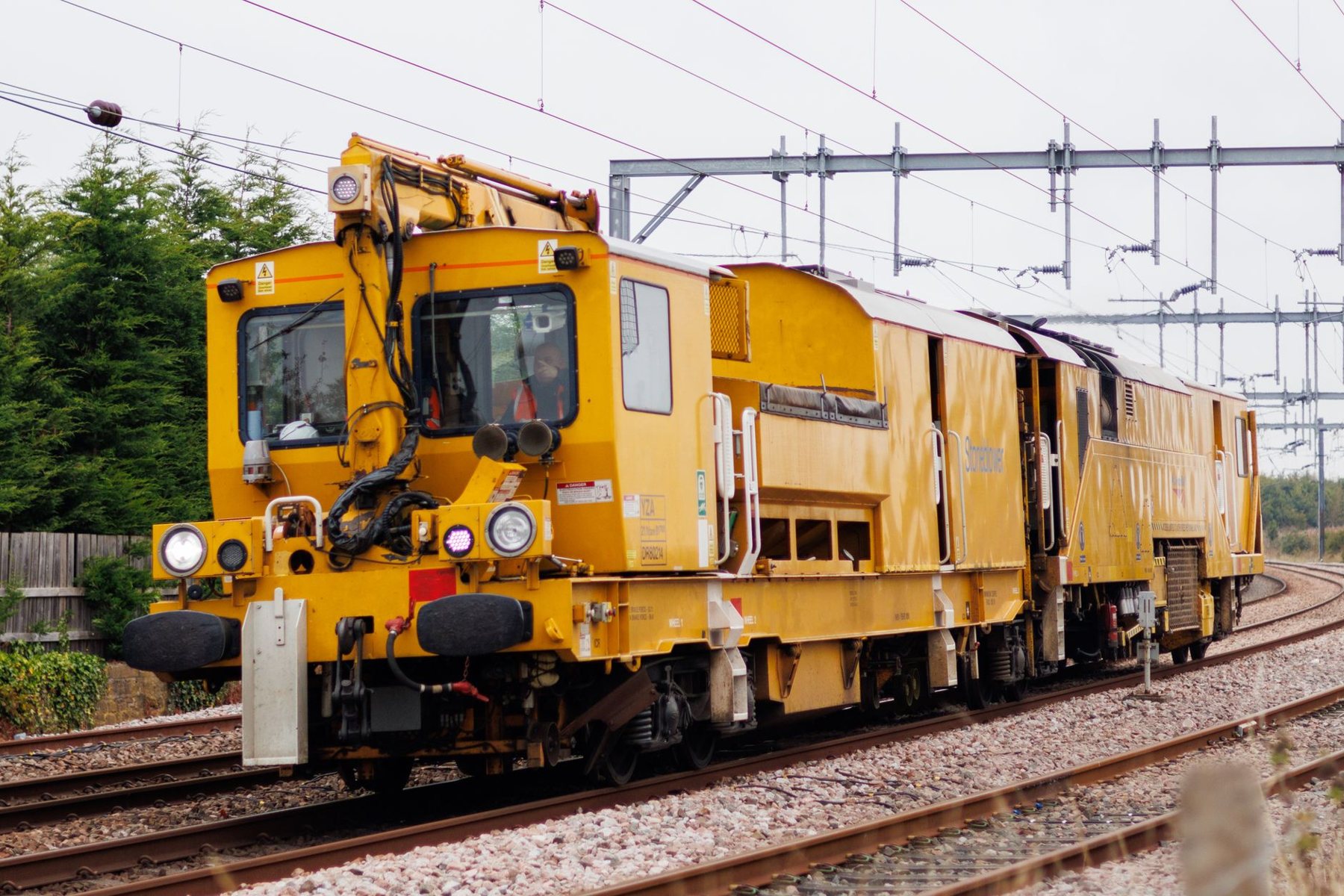
Railway
Component maintenance and surface preparation for rolling stock and track equipment.
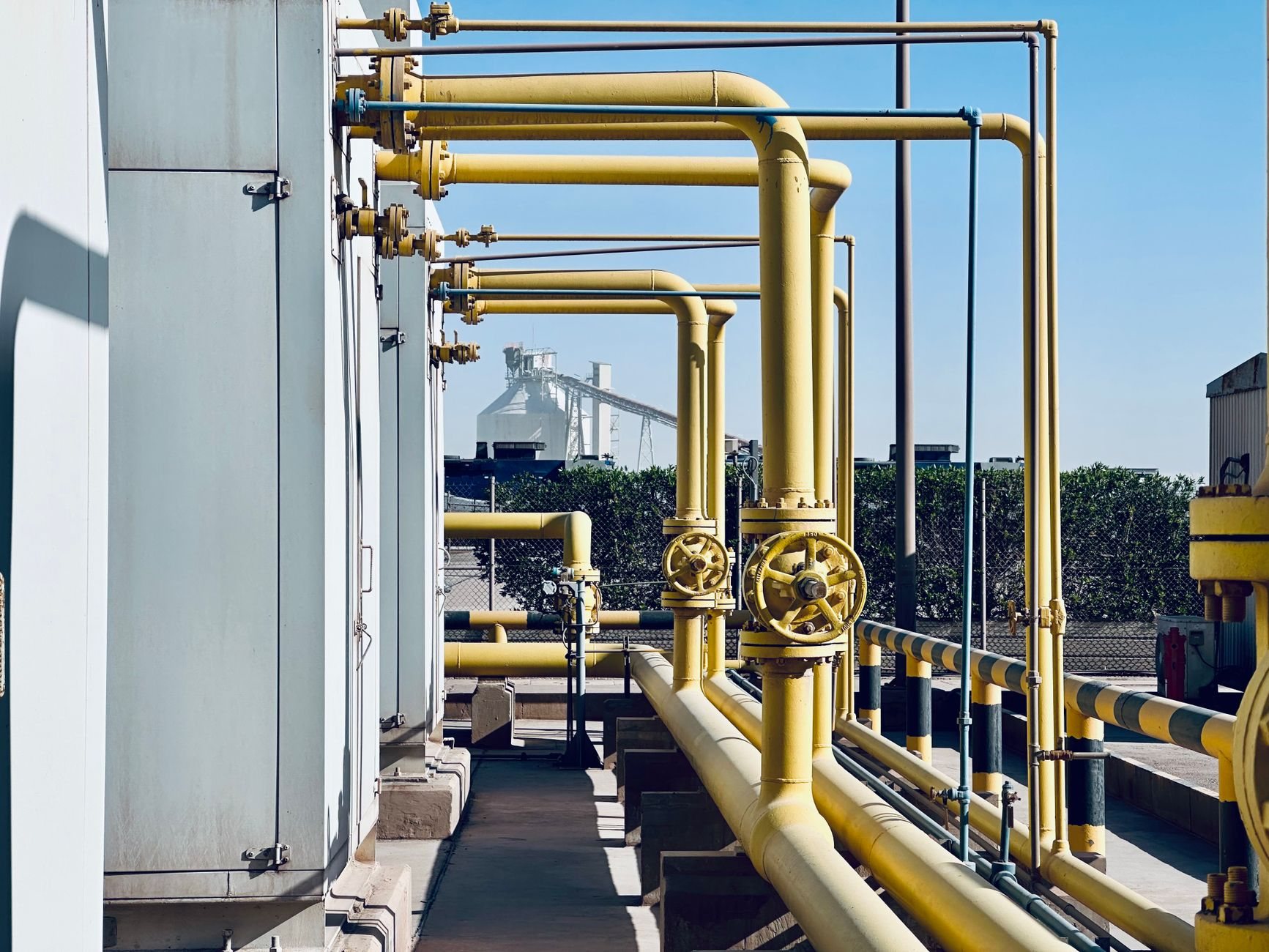
Pipelines
Joint preparation and local coating work on exposed sections, subject to site hazard rules.
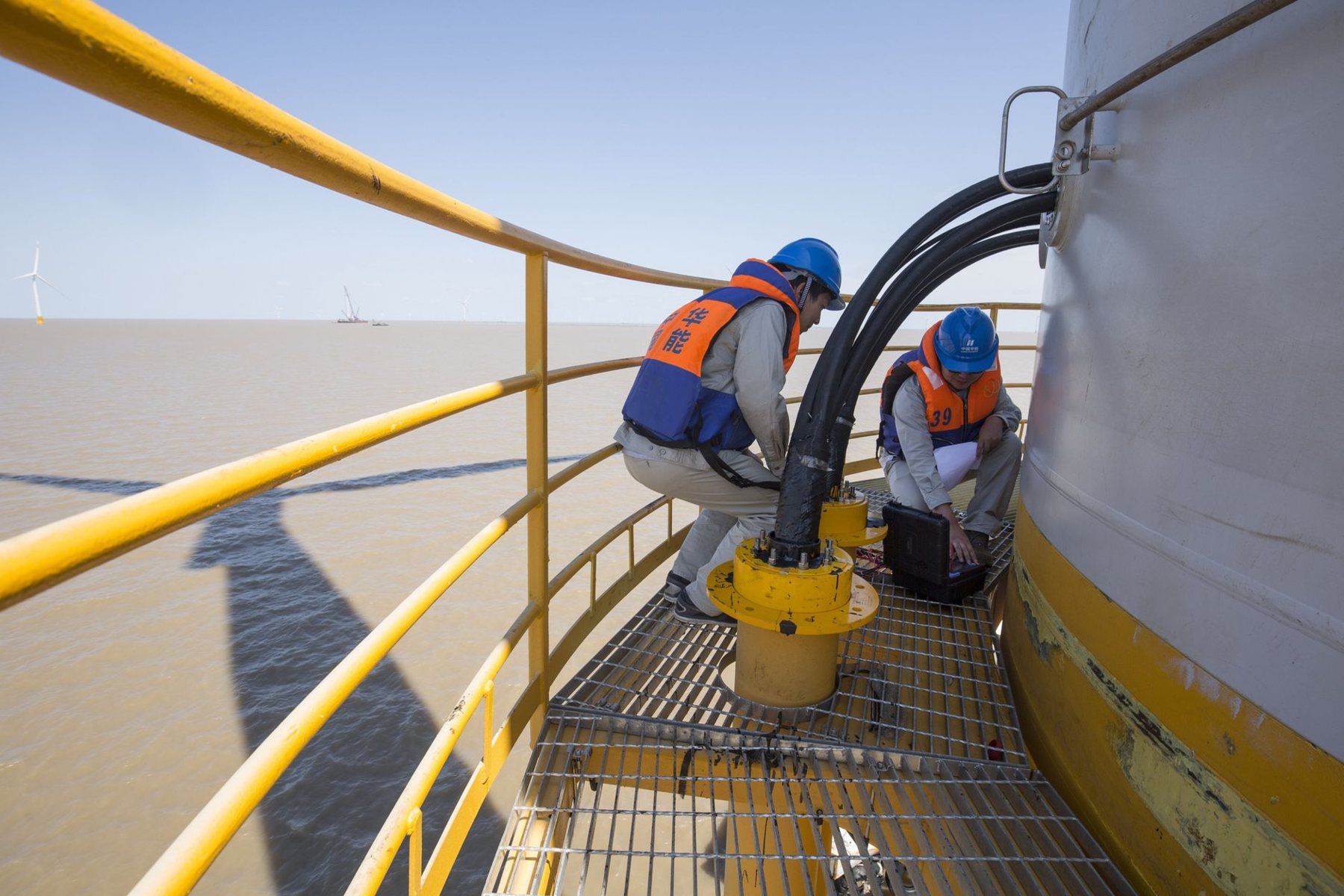
Energy
Maintenance cleaning of metal components in energy plant, scheduled around outages.
For work like this, format matters as much as power: a backpack unit for scaffolding, a carry case for service-van jobs, a trolley for working inside one site. See the selection guide.
Not sure where your industry fits?
Tell us the part, the layer and the working location. We will suggest a power class and format, and run a remote sample test on your material.
Describe your industry and your part
One short message is enough: material, contaminant and where the work happens. We reply with a recommendation.