
Key takeaways
- Usual methods damage wood: solvents push paint into the grain, sanding removes carving, water raises the grain.
- A low-power pulse laser lifts spray paint layer by layer in a dry, non-contact process.
- Wood burns more easily than metal, so start low, keep moving and stop at the first darkening.
- Test on a hidden corner and expect results to depend on colour and paint thickness.
Why the usual methods struggle
Graffiti on a wooden door is hard to remove with the usual methods. Solvents soften the spray paint but carry it deeper into the grain, leaving a faint outline of the tag. Sanding takes the paint off together with a layer of wood and any carving on the door. Pressure washing raises the grain and soaks the timber.
How a pulse laser works on a door
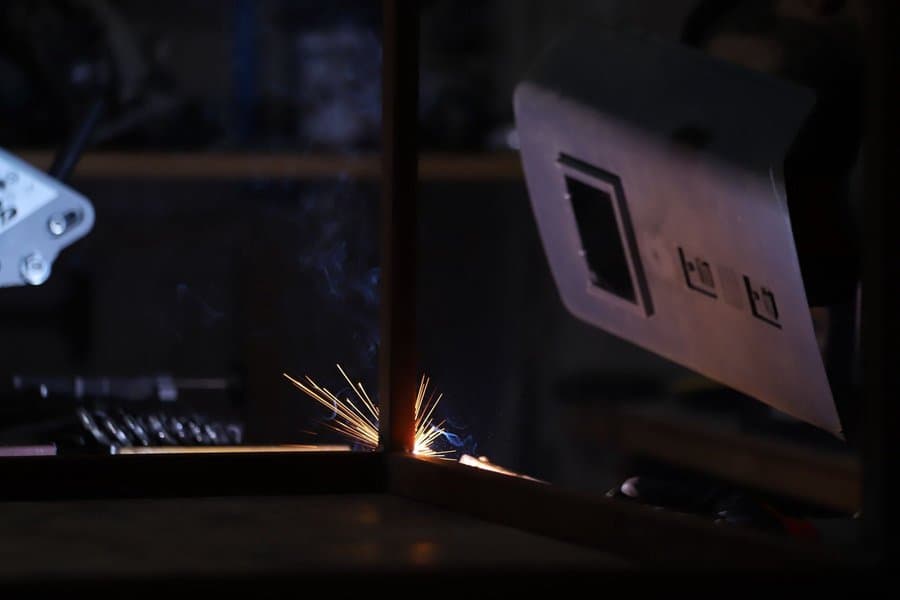
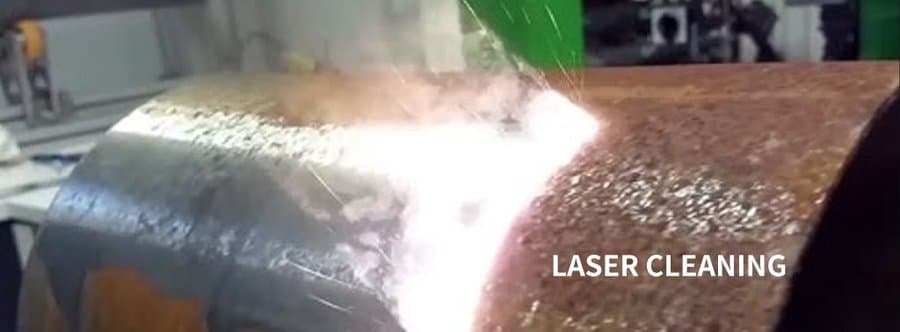
A pulse laser works differently. Spray paint usually absorbs the laser light more strongly than the wood or the original finish beneath it, so at low power and with short pulses the tag lifts off layer by layer while the door surface stays in place. The process is dry, so the wood does not get wet, and carved details keep their edges because nothing touches them.
Handle wood with care
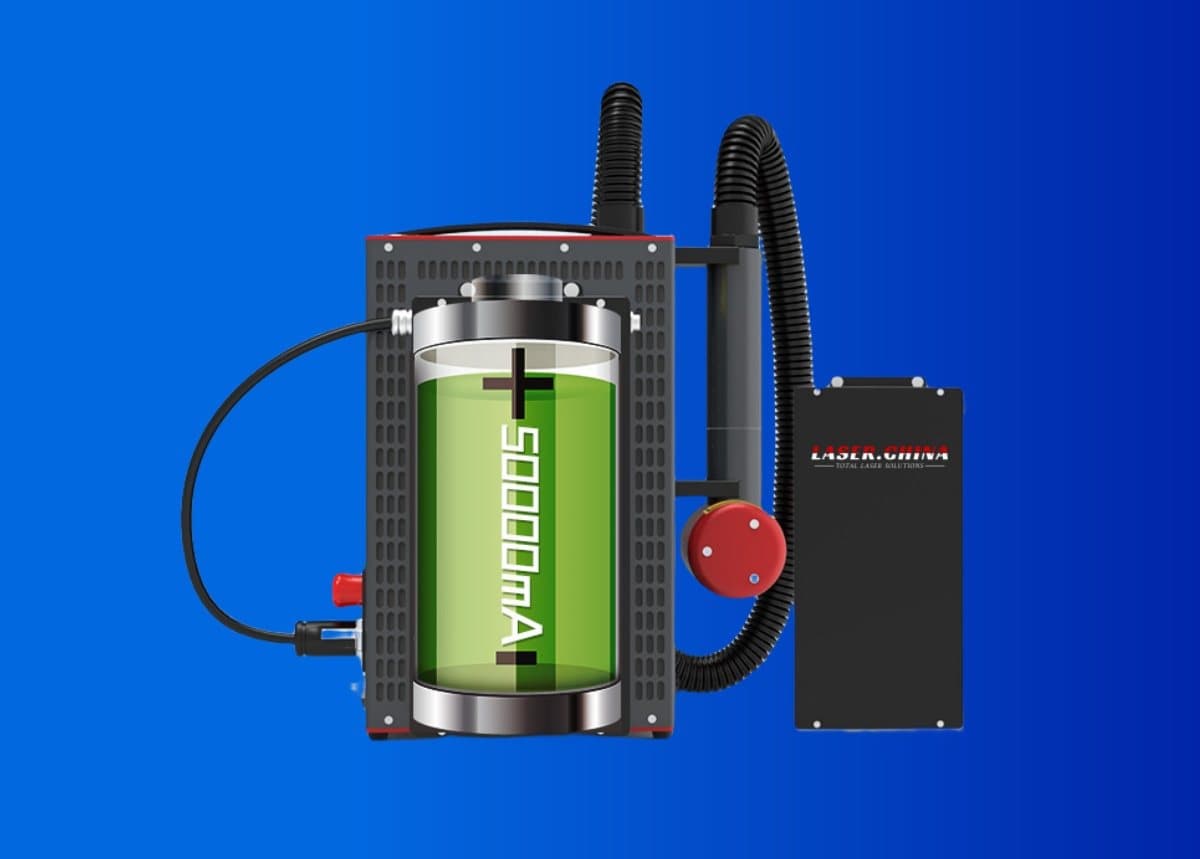
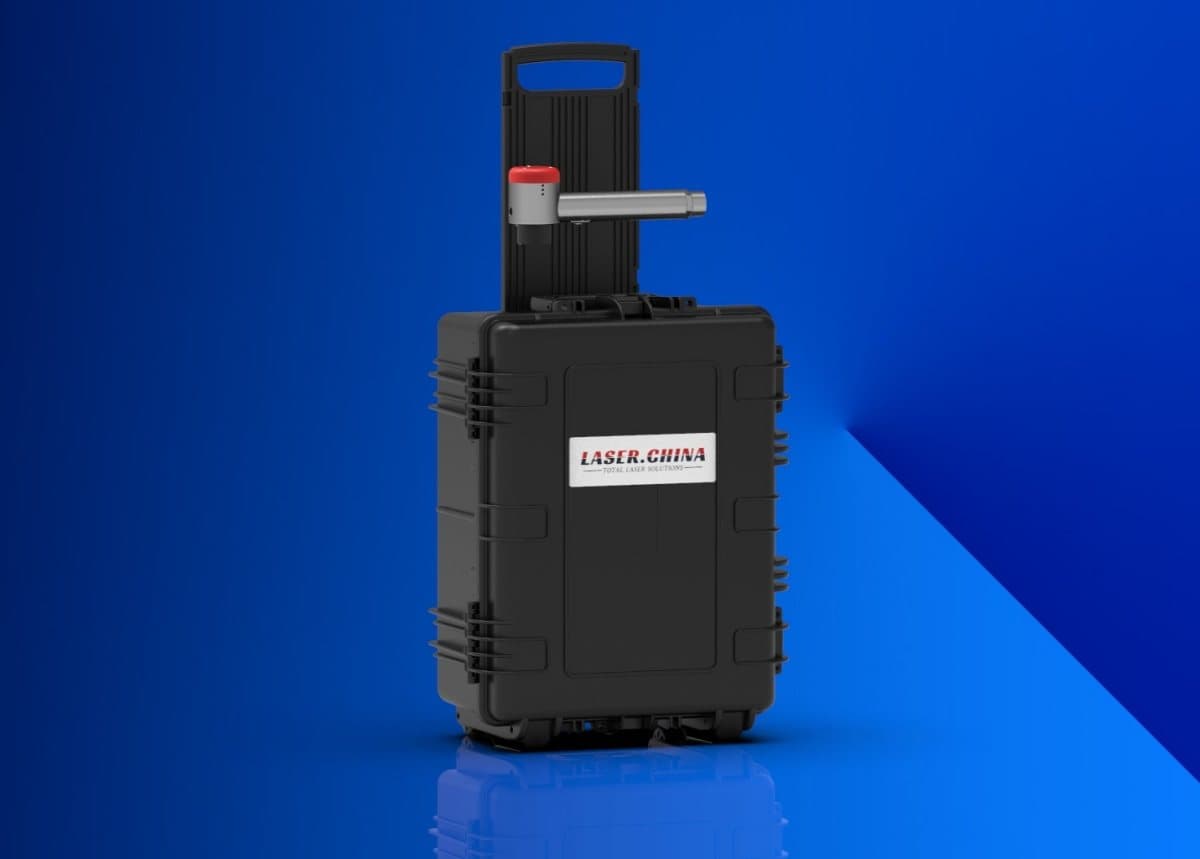
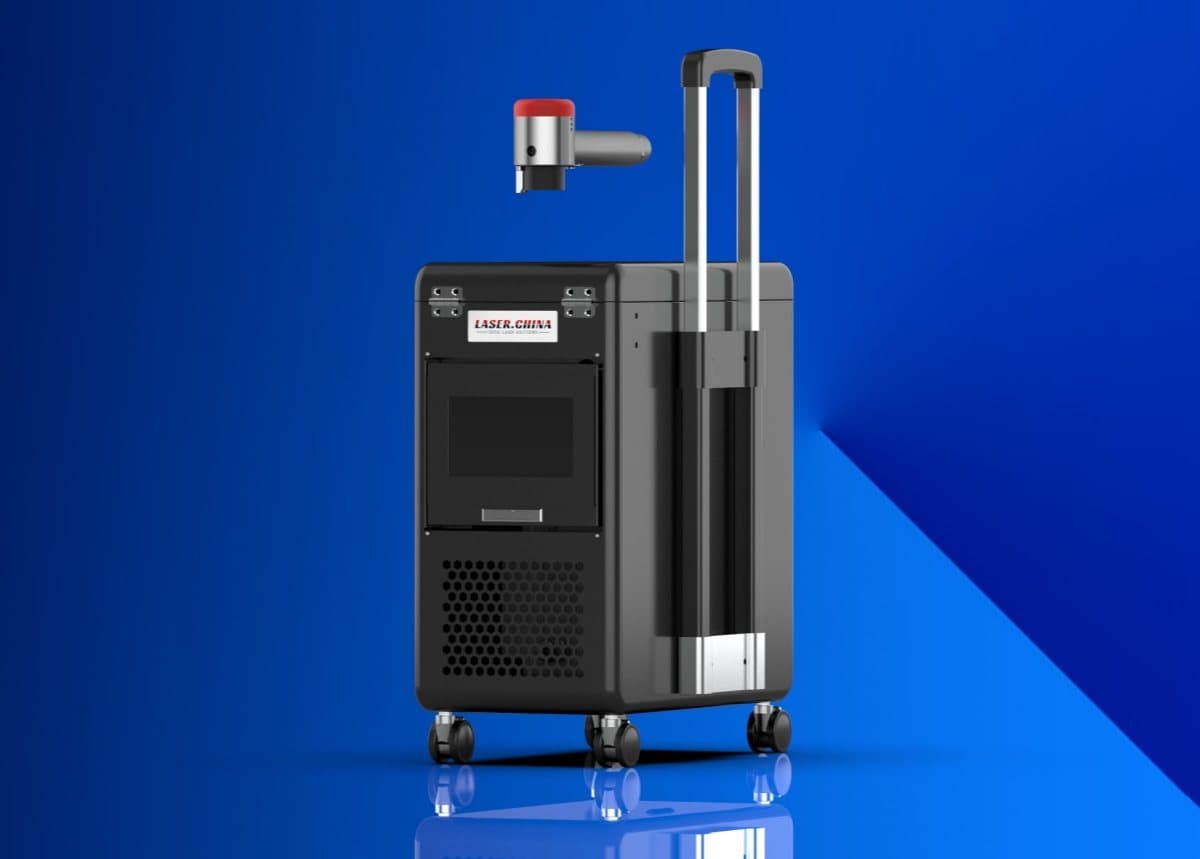
Wood still needs care, because it burns more easily than metal. Start at low power, keep the beam moving and stop at the first sign of darkening. The result also depends on the colours involved. A dark tag on a light painted door separates cleanly, while paint close in colour and thickness to the original finish is harder to remove on its own, and bare or light timber can darken slightly. Test on a hidden corner of the door first. For this kind of job a lower-power portable machine is usually the better fit, because it gives you finer control and you can carry it to the door.
What to expect by situation
| Situation | Likely outcome | Advice |
|---|---|---|
| Dark tag on a light painted door | Separates cleanly | Low power, short pulses, even passes. |
| Paint close to the original finish in colour and thickness | Harder to remove only the tag | Test carefully and accept that some finish may lift. |
| Bare or light timber | May darken slightly | Test a hidden area. Stop at the first darkening. |
| Carved or moulded details | Edges are kept, as nothing touches them | Keep the beam moving and avoid dwell on corners. |
A careful working routine
Choose a hidden test area
Pick a corner or the back edge of the door that is out of sight.
Start at the lowest effective power
Raise it in small steps only until the paint begins to lift.
Work in light passes
Several gentle passes protect the wood better than one strong one.
Inspect between passes
Stop when the surface shows any darkening, and review your settings.
Wood and old paint can burn or give off fumes. Use extraction, wear eyewear matched to 1064 nm, keep a fire extinguisher near the work and keep the beam away from people and reflective surfaces. Heritage doors may need permission from the owner or authority.
Checklist for door work
- Identify the paint and the finish underneath.
- Pick a lower-power portable machine for finer control.
- Test on a hidden corner before the visible face.
- Keep the beam moving and stop at the first darkening.
- Agree the expected result with the door owner in advance.
Planning a door job
A door is rarely just a surface. It may be painted over older coats, carved, varnished, or protected by a heritage listing. Before you plan the work, find out what the owner expects. If the goal is to remove the tag and accept a slightly refreshed finish, the work is straightforward. If the original finish must stay untouched, the owner should know that a perfect match is not always possible.
Take photographs before and after. They help you agree on the result and give you a record of the settings that worked.
Why a lower-power machine fits
The work is delicate: thin paint over a material that scorches. A lower-power portable unit has less energy to give, which is an advantage here. It lets you work in many light passes and watch the surface change. The same machine carries to the door, which matters because most doors cannot be moved.
Because pulse width can be set short and frequency can be tuned, the operator can shape the beam to the paint without driving more heat into the wood.
After the paint is gone
Look at the surface in daylight and from an angle. Remove loose residue with a soft brush or a vacuum, not water. If the door will be refinished, wait until the wood is stable before applying oil, varnish or paint. A bare patch may look different from the area around it, so plan a finishing step.
Frequently asked questions
Will the laser burn the wood?
Wood burns more easily than metal. Starting at low power, keeping the beam moving and stopping at the first darkening keeps the risk low, but it is not zero.
Is a high-power machine better for doors?
Usually not. A lower-power portable machine gives finer control and is easier to carry to the door.
Does the laser remove the original varnish too?
It can, if the original finish is close in colour and thickness to the paint. That is why a hidden test patch matters.
Is it safe to use indoors?
Only with fume extraction, eyewear matched to 1064 nm and control of the area. Keep ignition sources and combustible materials away from the work.
Next step: see how a pulse laser cleans other surfaces on the applications page, or send us a photo of your door and we will advise.