Key takeaways
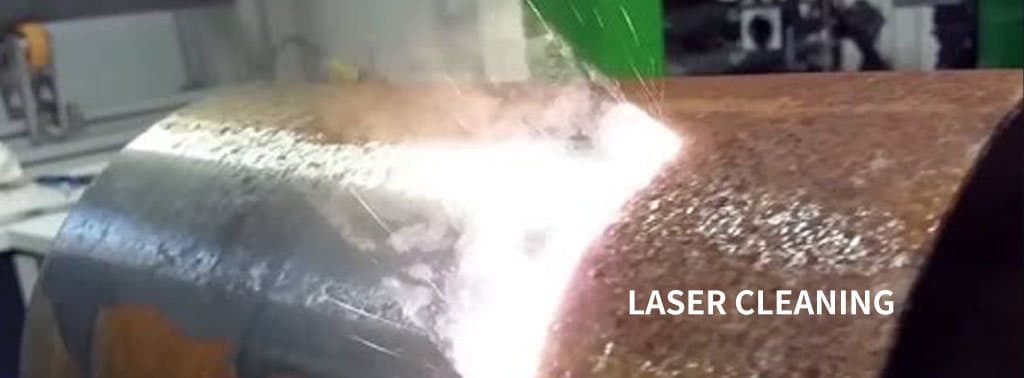
- Light to medium rust, mill scale and weld oxide come off while the metal underneath stays unchanged.
- Rust thickness sets the number of passes. A thin film is one pass, a thick crust needs several.
- Cleaned steel re-oxidises, so plan the next step, such as welding, painting or a protective coat.
- Very heavy rust over large areas is a slower job. Contact us to discuss your case.
What it does well
Pulse laser rust removal suits parts where the base metal matters: moulds, tooling, machined faces, precision components and weld zones. Light to medium rust, mill scale and weld oxide come off while the metallurgy underneath stays unchanged. Unlike blasting, there is no dimensional loss on finished faces, and there is no grit left in threads or guideways.
How rust thickness changes the work
Each pulse lifts a thin layer, so the work scales with the rust. A light film on a clean part clears quickly. Layered scale needs more passes, and higher single-pulse energy helps break through. For this reason, power class and pulse energy matter more than headline numbers. Choose the machine for the typical rust you see, not the best case.
| Rust condition | What to expect | Suggested approach |
|---|---|---|
| Light surface rust | Clears in one pass | Moderate power, short pulses. 100-300 W is usually enough. |
| Medium rust and scale | A few passes | 300-500 W class, higher pulse energy. |
| Heavy, layered rust | Many passes, slower going | Higher power class. Consider a sample test first. |
| Rust on thin or fine parts | Needs gentle settings | Short pulses, lower energy, careful overlap. |
These are guides, not guarantees. Results depend on the steel, the rust and the settings, so a sample test is the only reliable way to know. We offer a 10-minute remote sample test on your material.
What happens after cleaning
Freshly cleaned steel is bare and active. In humid air it can flash-rust within hours. Decide the next step before you start cleaning: weld or paint in the same shift, or apply a protective oil, primer or coating. If your part will sit before coating, clean as late as possible.
Limits to plan around
- Deep pitting leaves the pits. The laser removes rust from them, but it does not restore lost metal.
- Rust in blind holes or hidden cavities cannot be reached by the beam.
- Large areas of heavy rust that will be recoated anyway may suit blasting or continuous wave systems better.
Rust removal produces fine particles and fumes, and coatings under the rust may release more. Use fume extraction, wear eyewear matched to 1064 nm and keep bystanders out of the work area.
Rust removal checklist
- Note the rust thickness and whether it is layered.
- Test on an offcut and record the parameters.
- Decide the next step before cleaning, and do it in the same shift.
- Choose air cooling for mobile work or water cooling for long shifts.
- Inspect the surface for pitting before you approve the result.
Choosing the machine for rust work
Rust removal is where many buyers begin, so it is worth matching the machine to the work. For occasional site work and light rust, a portable air-cooled unit is easy to carry and needs no coolant. For long shifts, hot conditions or thick scale, a higher power class with water cooling is the better fit.
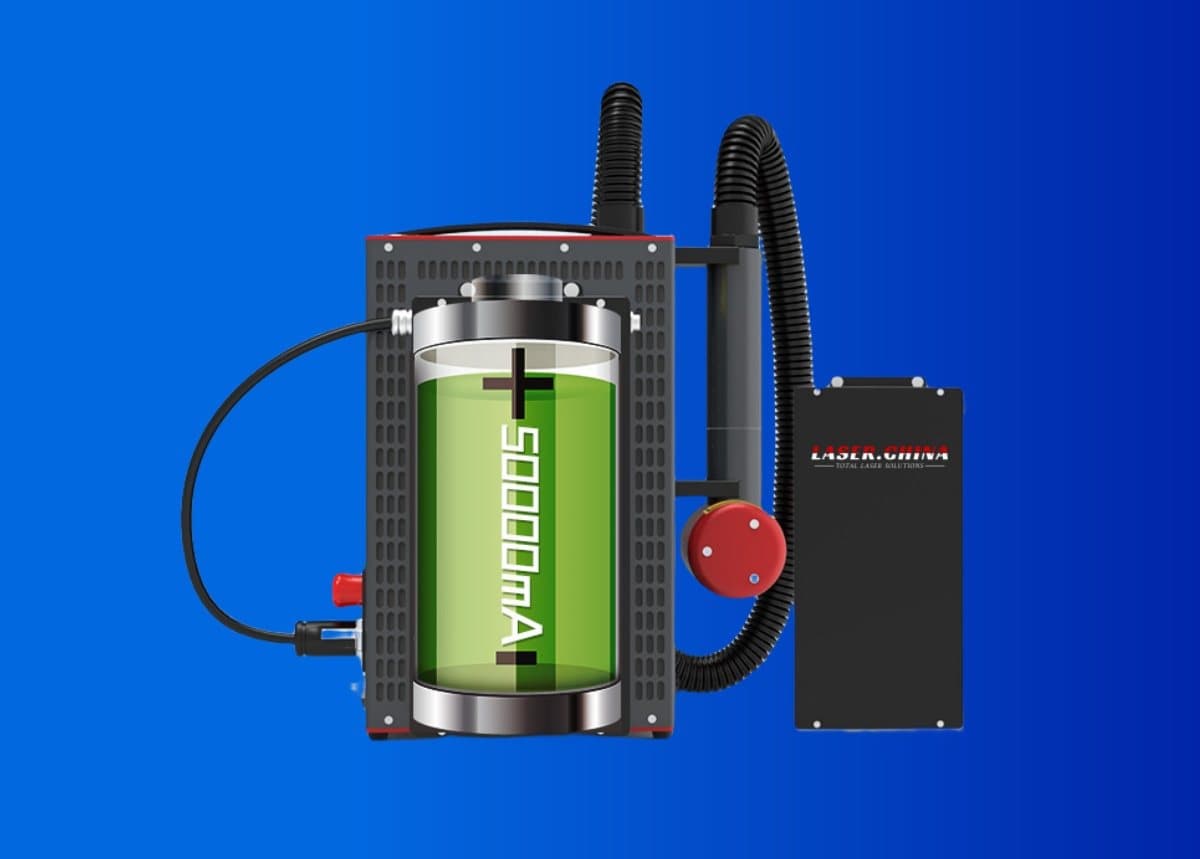
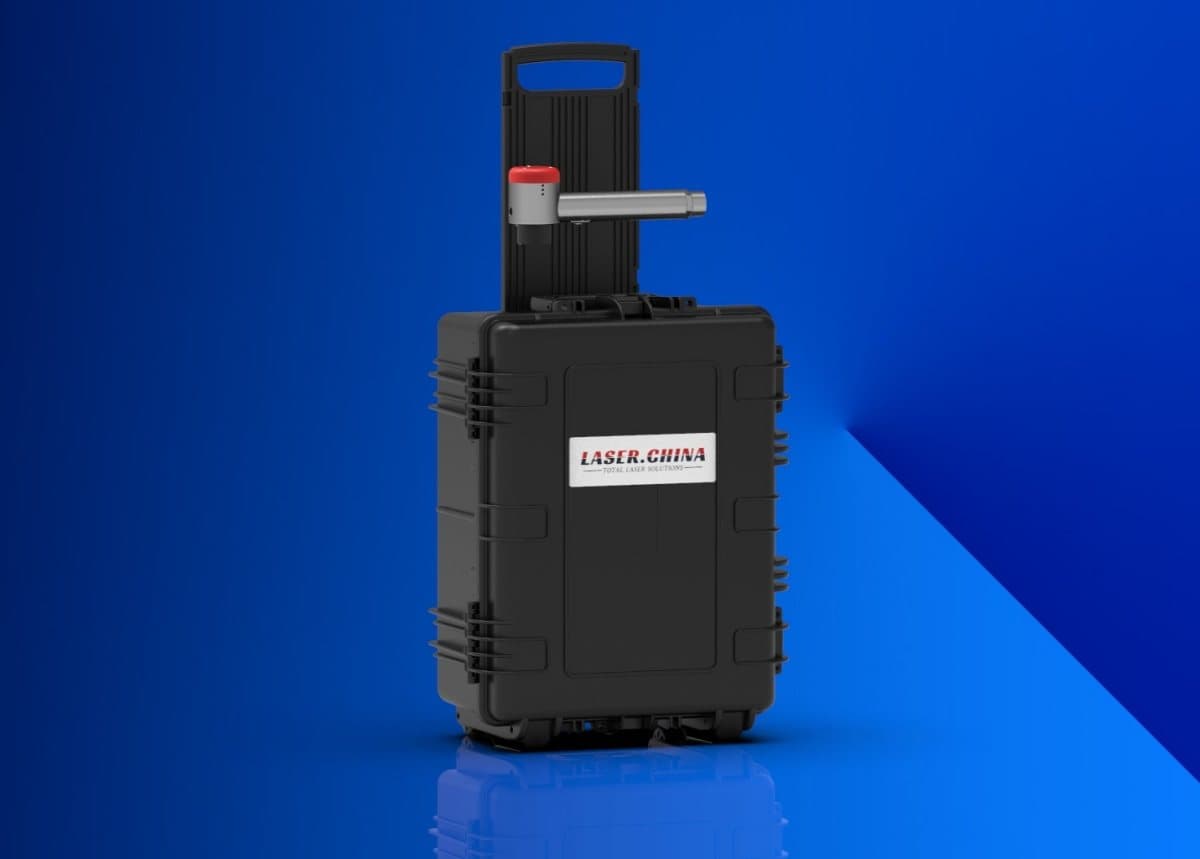
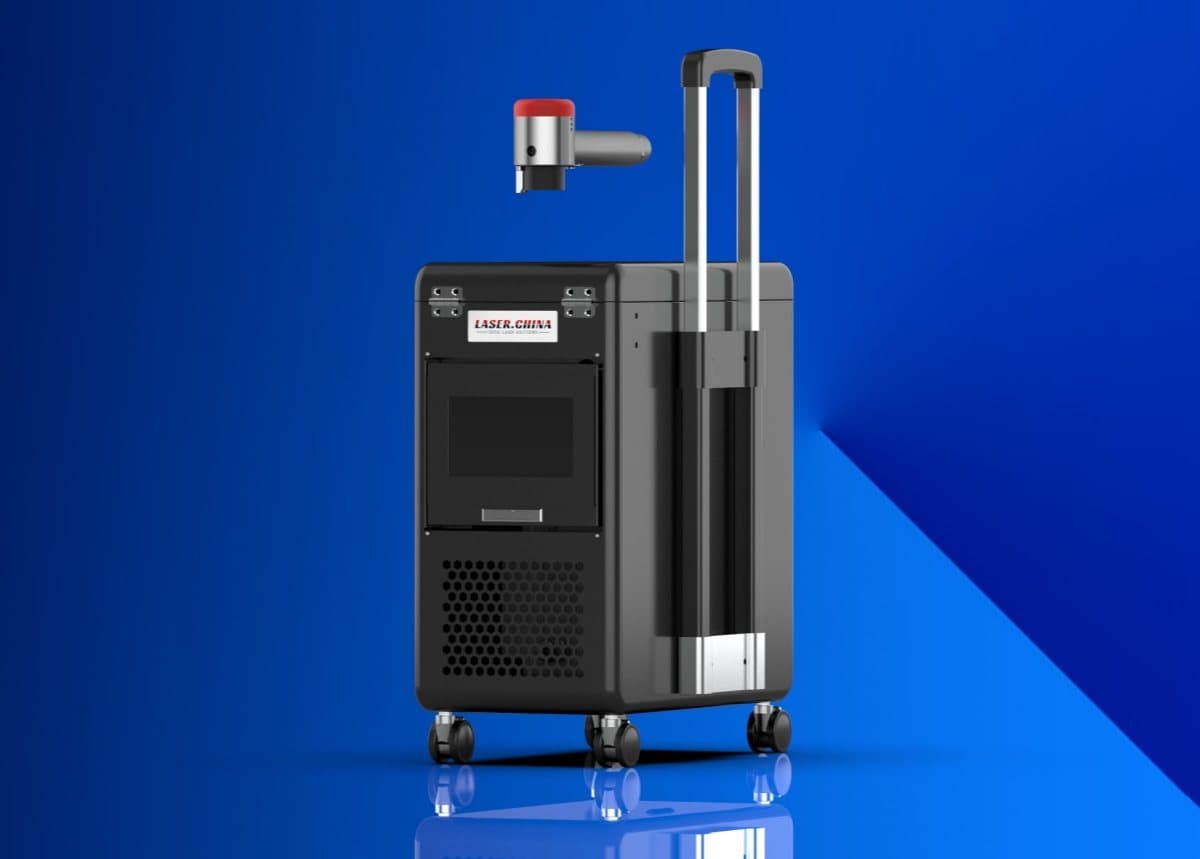
Format matters as much as power. A backpack unit reaches scaffolding and tight spaces. A carry case suits service-van jobs across several sites. A trolley unit moves between workstations inside one plant.
A realistic first test
The best way to know what to expect is to test on a piece of your own rusted part. Start with low power and a short pulse, clean a small patch and look at the metal. If the rust clears but the surface looks too bright or marked, reduce energy. If the rust barely moves, raise energy or slow the scan. Write down the settings and the number of passes.
Repeat on a second, worse area. The difference between the two tests tells you how much your rust varies, which helps you choose the power class and the cooling method.
What a finished surface looks like
A cleaned steel surface is typically bare metal with a fine, even texture, often with a matt, slightly different appearance from machined steel. If you need a particular look, say so in advance and test it. If pitting is present, the pits remain visible after the rust is removed.
Frequently asked questions
Does laser rust removal prevent rust coming back?
No. It removes existing rust. Bare steel can re-oxidise in humid air, so plan to coat or protect the surface.
Can it remove rust from a tyre mould or a machined face?
Yes, these are typical uses, because the substrate stays unchanged and finished faces keep their dimensions.
How do I know which power class I need?
Start from the rust thickness and your hours per shift, then test a sample. 100-300 W suits precision and thin layers, 300-500 W is the daily workhorse and 1000-2000 W suits heavy layers across full shifts.
What does it cost to run?
Running cost is mainly electricity, protective lenses and maintenance time. See price, running cost and ROI for how to calculate it.
Keep a photo log of each test with its settings. It turns a one-off experiment into a record that any operator can follow later, and it gives us something concrete to discuss if you contact support.
Next step: see the range of applications or send us a photo of your rusted part for a recommendation.