Typical Application Scenarios
Eight common cleaning jobs and how a pulse laser approaches each one.
Illustrative scenarios, not customer case studies. They describe common jobs and how a pulse laser approaches them; real case studies will be added when customers agree to publish them.
Tyre and rubber mould cleaning in the press
The situation. Vulcanisation residue and release agent build up on the cavity every cycle. Pulling the mould to clean it costs half a day of press time.
What stays / what comes off. The cavity texture, sipes and vent holes stay. Residue, release agent and carbon build-up come off.
How the pulse laser approaches it. Short pulses at moderate energy lift the residue without heating the mould steel. A 100-300 W class or 300-500 W class machine is the usual starting point. A backpack or carry-case format lets the operator work at the press; air cooling suits this intermittent work.
Test first. Clean one offcut or a hidden segment edge first and check that the texture and vents are unchanged.
Rust and mill scale before welding
The situation. Mill scale, rust and oil on the joint edge cause pores and unstable arcs. Grinding and blasting add steps and dust.
What stays / what comes off. The bare metal and joint geometry stay. Scale, rust, oxide and oil come off the joint edge.
How the pulse laser approaches it. Higher single-pulse energy breaks thicker scale in fewer passes; thin rust needs less. Routine work sits in the 300-500 W class, and heavy scale or full-shift output points to 1000-2000 W with water cooling. A trolley format suits moving between workstations.
Test first. Clean a joint on an offcut, weld it and inspect it before committing the batch. Weld in the same shift, as clean steel can flash-rust.
Selective paint removal keeping the primer
The situation. Many repairs need the topcoat off but the primer or plating intact. Blasting and chemical strippers do not stop at the layer you choose.
What stays / what comes off. The primer, plating or anodised layer stays. The topcoat comes off.
How the pulse laser approaches it. Pulse width and energy set which layer lifts. Short pulses and low heat input protect the layer below, and a 100-300 W class machine gives the finest control. A 300-500 W class suits larger panels. Backpack or carry-case formats work well for repairs on site.
Test first. Run a test patch, then check the remaining layer is complete before treating the whole part.
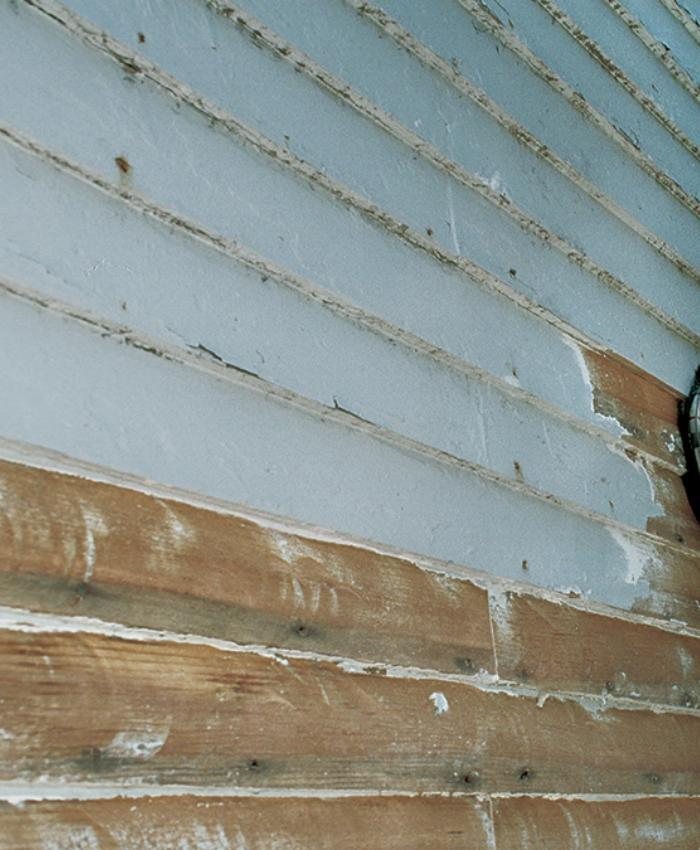
Oil and machining residue before bonding or welding
The situation. Cutting oil and machining residue weaken bonds and welds. A solvent tank adds waste, drying time and storage.
What stays / what comes off. The machined surface and its dimensions stay. Oil, grease and residue come off, and the surface stays dry.
How the pulse laser approaches it. Oil absorbs the 1064 nm beam well, so low-to-moderate power does the job. The 100-300 W and 300-500 W classes cover most parts. A trolley format fits moving between machines; fume extraction should capture the vapour.
Test first. Clean a sample, then run your own bonding or weld test on it to confirm the result.
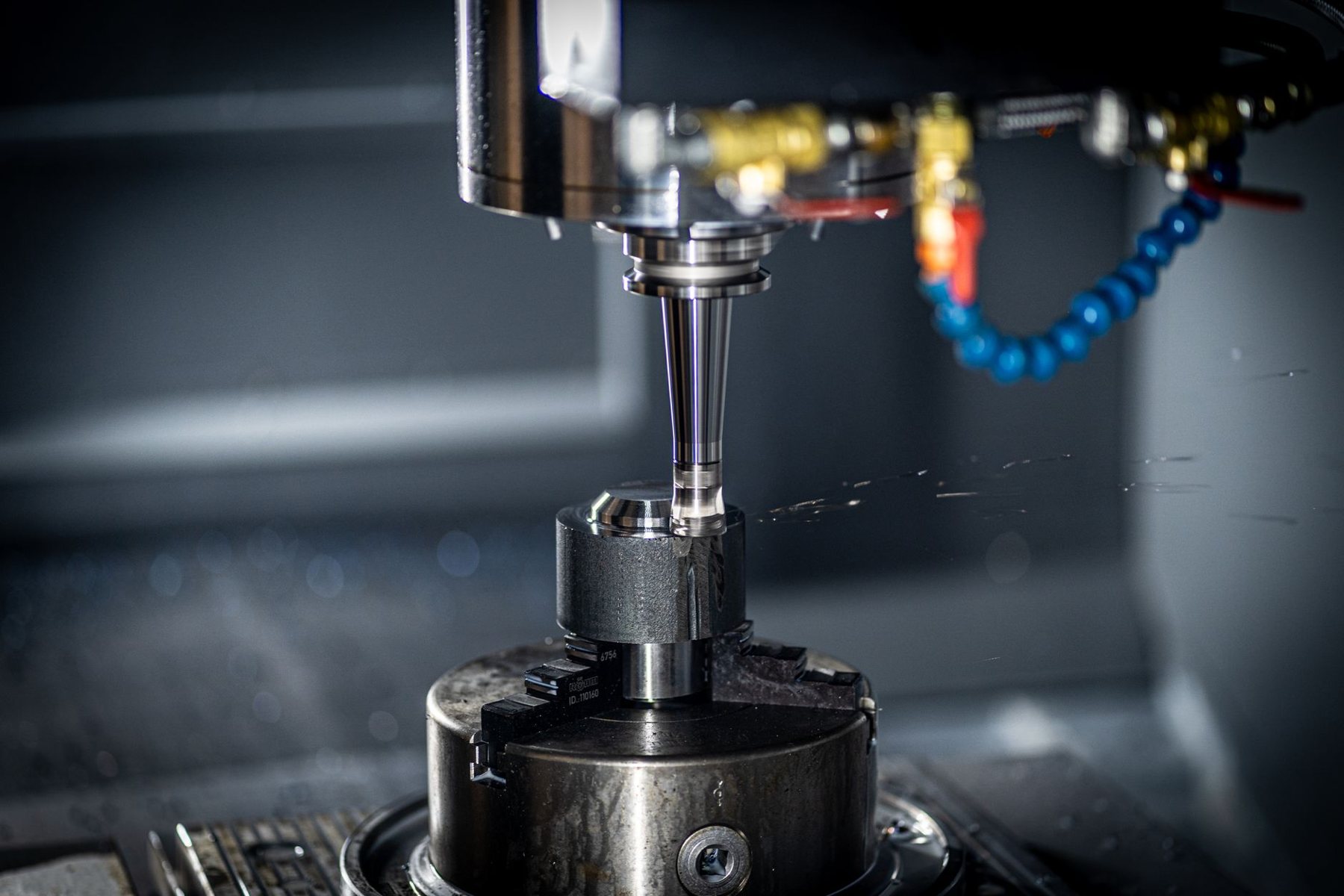
Oxide films on contacts and lead frames
The situation. A thin oxide film on contacts, connector pins and lead frames weakens solder and weld joints. Abrasion risks the plating.
What stays / what comes off. The plating and tolerances stay. The oxide film comes off before joining.
How the pulse laser approaches it. Each short pulse is too brief to heat the part through. Low power in the 100-300 W class is the usual choice, with a small scan field. For the format, see the product page.
Test first. Clean a sample and check plating and dimensions before running a batch.
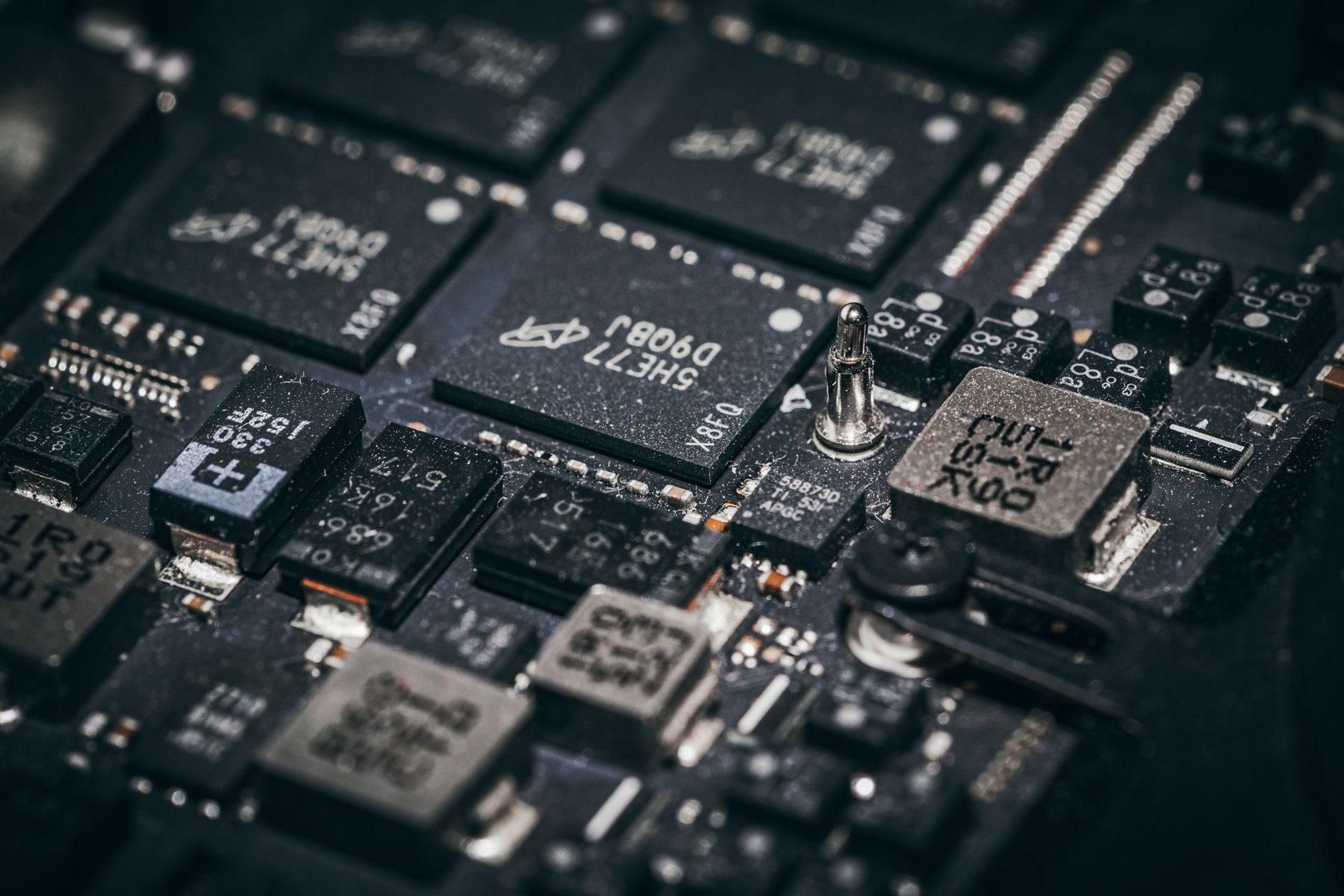
Heritage stone and brick restoration
The situation. Soiling and biological growth sit on surfaces that cannot afford to lose material. Blasting and chemical poultices take surface with the dirt.
What stays / what comes off. The original stone or brick surface stays. Soiling, biological growth and coatings come off.
How the pulse laser approaches it. Start at low power with short pulses and increase only as the surface allows. Power class depends on the substrate and site; see the product page. A carry case or trolley is easier to move around a facade.
Test first. Test a hidden area first, ideally with the conservator present, and assess the result before continuing.

Graffiti on wood without sanding
The situation. Solvents push spray paint deeper into the grain and sanding takes the carving with it. Pressure washing soaks the timber.
What stays / what comes off. The wood, carved details and original finish stay. The spray paint lifts off layer by layer.
How the pulse laser approaches it. Low power and short pulses, because wood burns more easily than metal. A lower-power portable machine gives finer control and can be carried to the door.
Test first. Try a hidden corner first, stop at the first sign of darkening, and expect paint close in colour to the original finish to be harder.
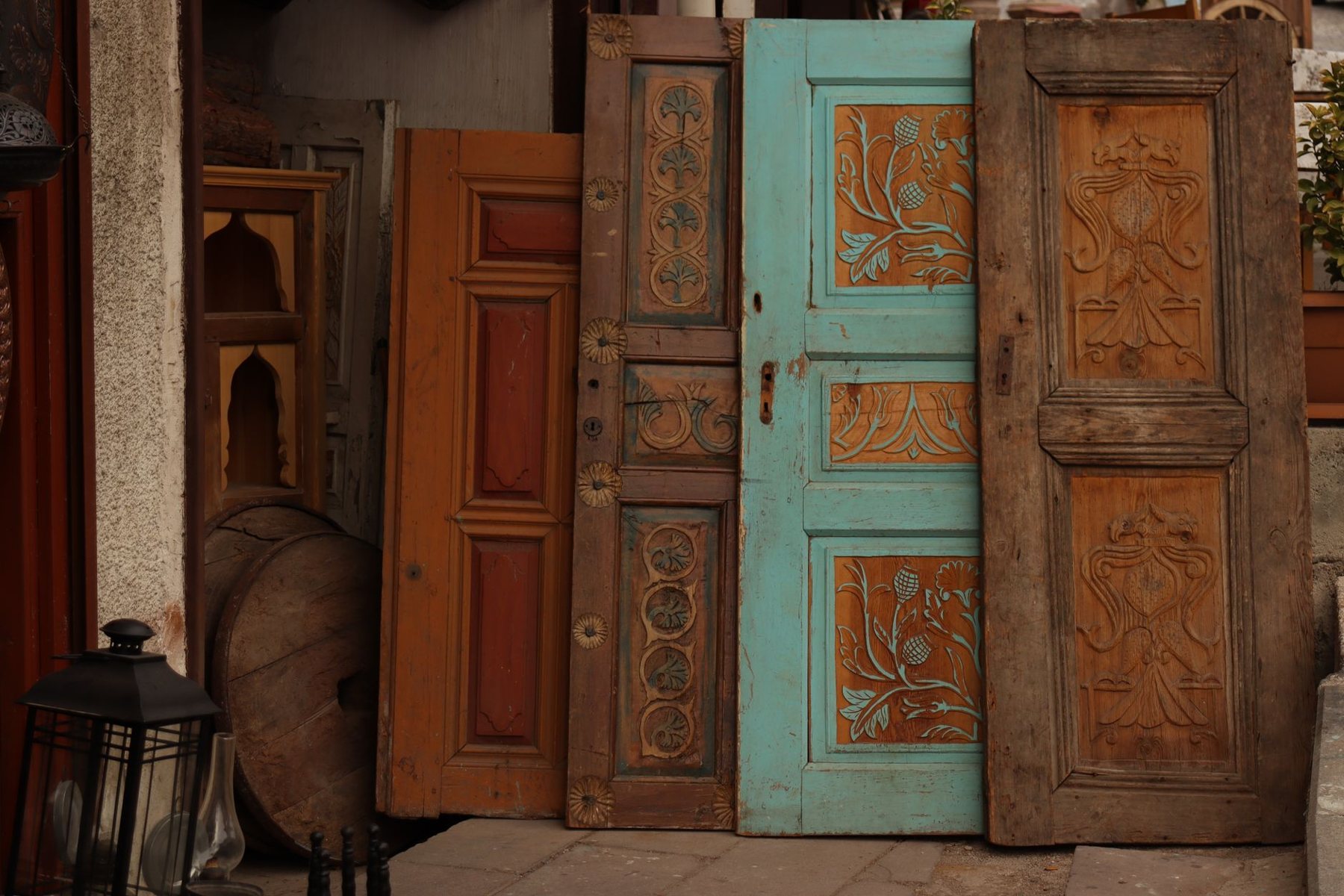
Food, pharma and rubber equipment without chemicals
The situation. Chemical cleaning brings swab tests, rinse logs and validation records. Rinse water and solvent residue add risk and paperwork.
What stays / what comes off. The equipment surface stays. The contaminant comes off, with no solvent residue and no rinse water.
How the pulse laser approaches it. Dry, non-contact cleaning removes residue without adding chemicals. Power class depends on the surface and layer; see the product page. A trolley or carry case moves between lines.
Test first. Run a sample on a representative part and have your quality team review it before adopting the method.
Read: food, pharma and rubber equipment cleaning without chemicals
Scenario to machine at a glance
| Scenario | Typical power class | Format | Cooling |
|---|---|---|---|
| Tyre and rubber moulds | 100-300 W or 300-500 W | Backpack or carry case | Air-cooled |
| Rust and mill scale before welding | 300-500 W; 1000-2000 W for heavy scale | Trolley | Air-cooled; water-cooled at 1000-2000 W |
| Selective paint removal | 100-300 W; 300-500 W for larger panels | Backpack or carry case | Air-cooled |
| Oil and machining residue | 100-300 W or 300-500 W | Trolley | Air-cooled |
| Oxide films on contacts | 100-300 W | See product page | Air-cooled |
| Heritage stone and brick | See product page | Carry case or trolley | See product page |
| Graffiti on wood | Lower-power portable machine | Backpack or carry case | Air-cooled |
| Food, pharma and rubber equipment | See product page | Trolley or carry case | See product page |
Power classes follow the selection guidance: 100-300 W for precision parts and thin layers, 300-500 W for daily work, 1000-2000 W for heavy layers and full shifts. Exact models and values are on the product pages.
Have a job like one of these? Send us a sample
Tell us what you need to clean and what must stay. A short brief is enough:
- The substrate (material and thickness)
- The contaminant or layer to remove, and the layer to keep
- The size of the part and where the work happens
- Photos of the surface and your target finish
- Hours of work per shift
With your material we can run a 10-minute remote sample test and match settings from our 100,000+ parameter library. Always confirm the result on an offcut before production.
Request a quote
Tell us about your job and we will recommend a machine.