Power is the first number on every quote, and the one buyers most often get wrong. Too little and your operator waits on every pass. Too much and you pay for capacity the work never uses. Here is how to size it.
- Average power sets how fast you clean, not whether you can clean.
- 100-300 W suits precision parts, thin layers and non-metals.
- 300-500 W is the daily workhorse for routine rust and paint.
- 1000-2000 W is for heavy layers and large areas run across full shifts.
- Size to your output per shift, not to the hardest single job you can imagine.
What power actually changes
Speed, not capability
Average power is the energy delivered per second. A lower-power machine can remove the same contaminant as a higher-power one. It simply needs more time or more passes. That is why power should be matched to workload rather than to ambition.
Power is only one of several numbers
Power works together with pulse energy, pulse width and frequency. Single pulse energy decides whether a thick layer breaks in one pass or several. Pulse width controls heat input. Frequency governs how pulses overlap and how even the surface looks. Two machines with the same rated power can behave quite differently. Exact values vary by model, so always read the datasheet of the specific machine.
The five power classes in practice
| Power | Best fit |
|---|---|
| 100 W | Precision small parts, non-metals, first machine |
| 200 W | Thin layers, portable site work |
| 300 W | Routine rust and paint, daily output |
| 500 W | Medium layers, higher output |
| 1000 W | Heavy layers, continuous shifts |
| 2000 W | Large areas, high takt production |
100-200 W: precision and portability
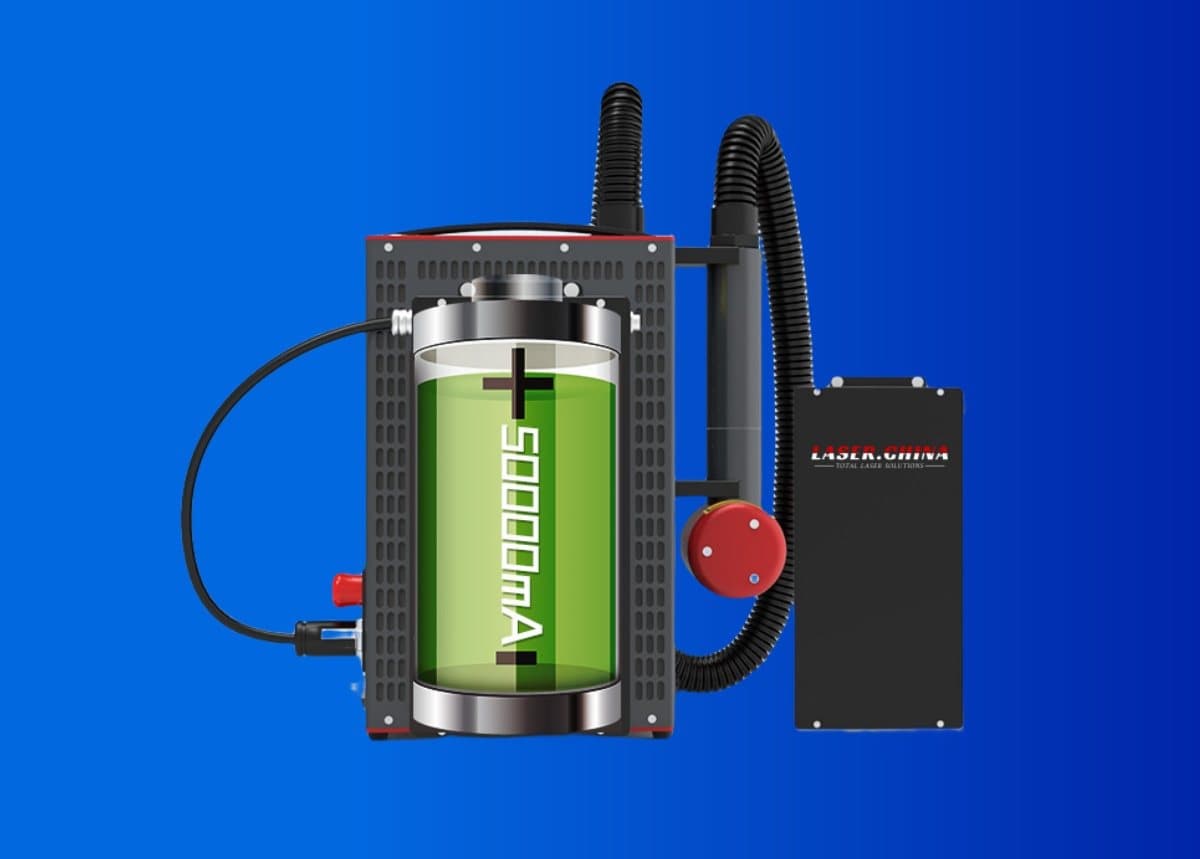
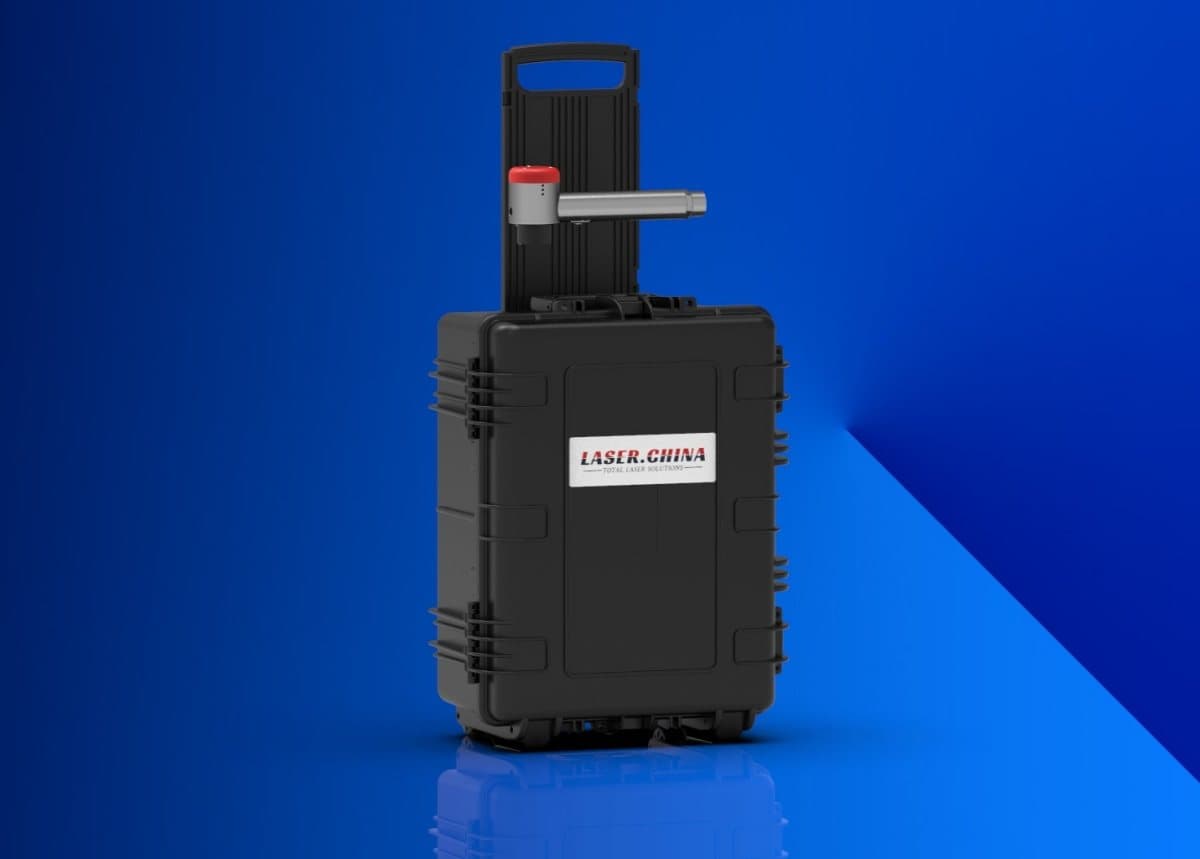
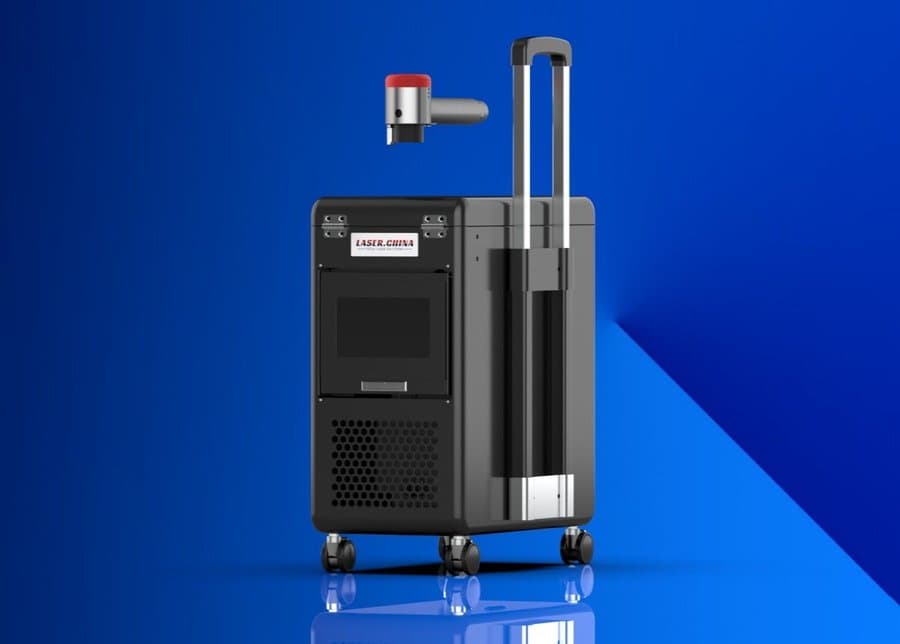
This is the right class for small parts, oxide films on contacts, plastics, glass and composites, and thin coatings. It also makes sense as a first machine when you want to learn the process on your own material before scaling. The 100-300 W handheld range is available in backpack and luggage formats from 14 kg.
300 W: the usual starting point
A 300 W machine covers routine rust and paint work and is where most enquiries land, because it sits where daily output meets a realistic budget. If you are cleaning a variety of jobs, single pieces or small batches, and you are not running it flat out for a full shift, start here.
500 W: medium layers and more output
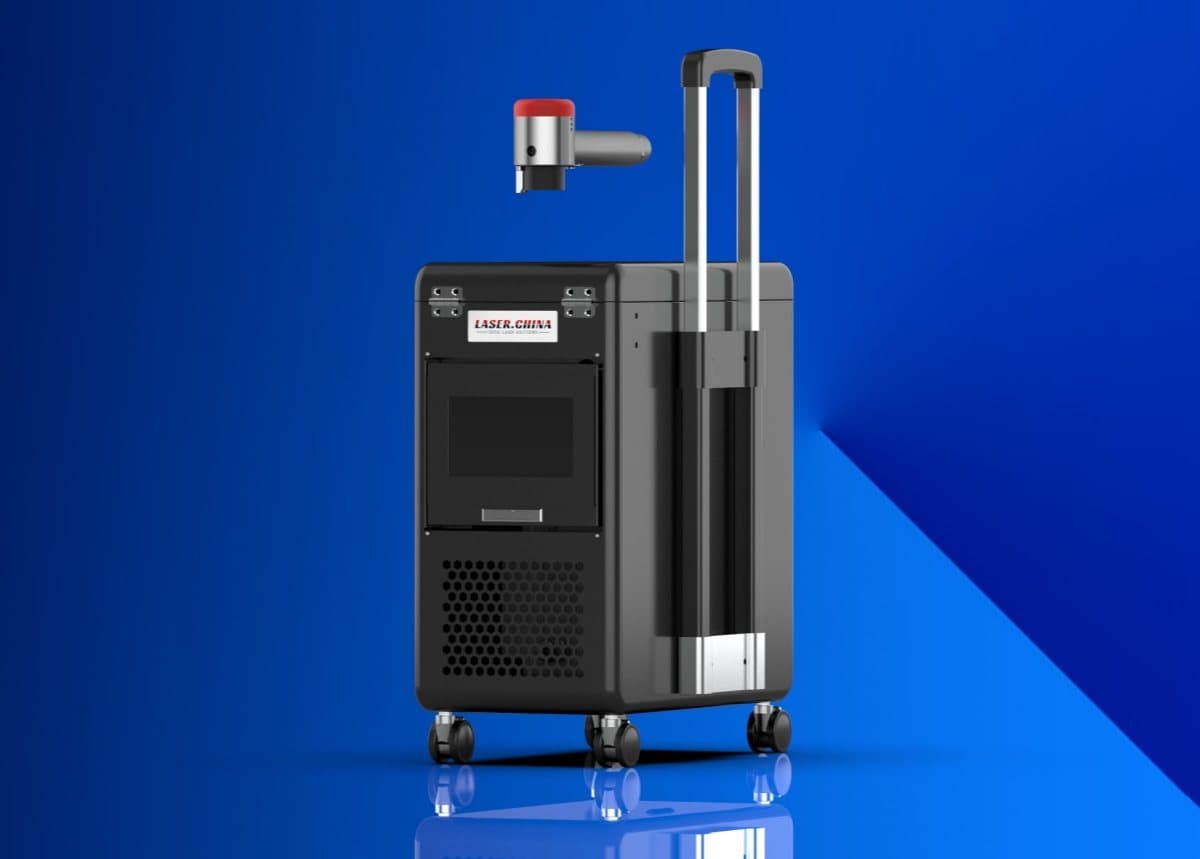
Step up when the contaminant layer is thicker or when the same operator is expected to clear more area in a day. Our 100-500 W models are offered in carry case, suitcase and trolley formats, so you can raise power without changing how you move the machine.
1000 W and 2000 W: shift-based production
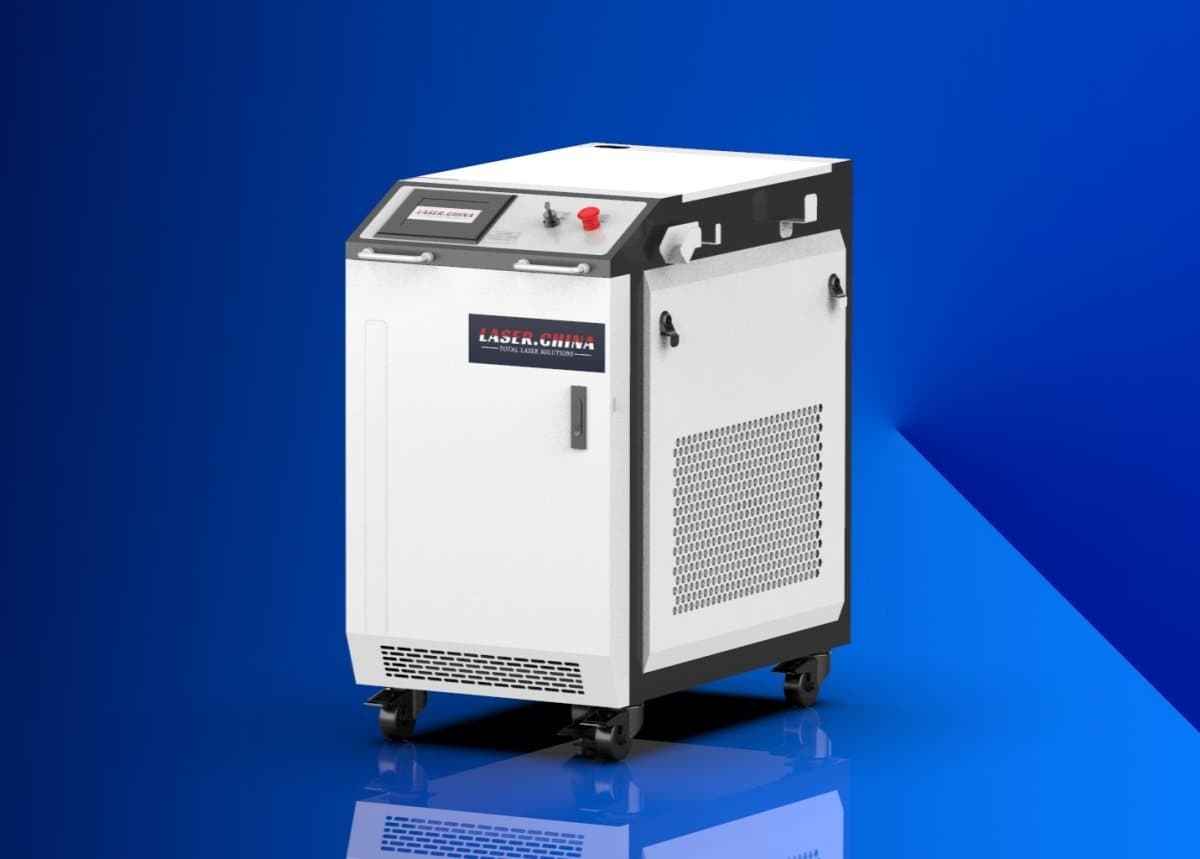
These classes are for heavy layers, large areas and continuous shifts. The 300-2000 W high power model is water-cooled and built for 24-hour non-stop work in ambient temperatures from -20 degrees C to 50 degrees C. Move here when your output is measured per shift rather than per job.
How to size it for your workload
Describe the typical job
Material, contaminant, layer thickness, and how big the area is.
Estimate monthly area
How many square metres do you need to clean per shift, and how many shifts per month?
Take a sample test
A remote sample test on your material shows how a given class performs on your actual layer.
Add headroom, not excess
Leave room for growth, but do not buy a class you will only use on one job a year.
Three mistakes to avoid
- Buying for the single hardest job. Rent or outsource the rare heavy job instead.
- Assuming more watts means a better finish. On thin or heat-sensitive parts, the pulse settings matter more, and lower power is often safer.
- Ignoring the format. A high-power machine you cannot move to the part loses its advantage on site work.
Power, cooling and format go together
As you move up in power, the cooling and format decisions move with it. Intermittent and mobile work favours air cooling. Sustained high power and continuous shifts call for water cooling. Our air or water cooling guide explains where the line falls.
Power and price
Power class is the main driver of price. Our five products start from $8,900, $11,200, $15,600, $17,900 and $28,500 respectively. Typical market ranges for pulsed machines in each power band are listed on the price and ROI page. The spread inside each band comes from cooling, format, source brand, customisation and destination requirements.
Reading a quote on power
Ask what sits behind the watt figure
When two suppliers quote the same watts, ask for pulse width range, maximum single pulse energy, frequency range and peak power on each datasheet. Across our collection these run from 0.8 to 15 mJ of single pulse energy, 2 to 500 ns of pulse width, 1 to 4,000 kHz of frequency and peak power up to 90 kW. A quote that gives only the watts hides most of what the machine can do.
Plan for the next job, not only today's
If your work is likely to grow into thicker layers, pick a model whose class has headroom. If it is likely to stay on precision parts, a higher class gains you little and costs more to run.
Next step
Send us your material, contaminant and the area per shift, and we will suggest a class and a model. The selection guide walks through the same questions, and you can browse the product range to see each power band.